Vanair brings integrated electrified power ecosystem to Class 8 fleets
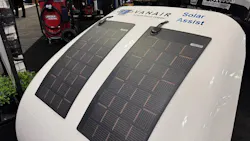
NASHVILLE—Vanair has expanded its EPEQ Electrified Power Equipment ecosystem to the Class 8 trucking market with battery-electric auxiliary power, solar charging and idle-reduction technologies designed to cut downtime and extend equipment life.
The announcement, which came during the 2026 TMC Annual Meeting & Transportation Technology Exhibition, may be indicative of a broader shift in how fleets approach auxiliary power units (APUs), moving away from traditional diesel-based systems and toward comprehensive, battery-driven solutions that can handle power needs from sleeper cab hotel loads to liftgate and trailer refrigeration support.
“Drivers need reliable heating, cooling, and electrical power without running the main engine," said Chip Jones, national manager of the electrified products group for Vanair. "Fleets need to protect expensive assets from the wear that idling causes. What we bring to this market is not a single-purpose APU. It’s a complete, integrated power ecosystem that scales to the application.”
Modular power system
At the center of the EPEQ system is Vanair’s ELiMENT lithium iron phosphate (LiFePO4) battery platform, and the upgraded 48-volt batteries now feature IP67-rated protection and can be mounted directly to frame rails, which places them in one of the harshest operating environments on the vehicle.
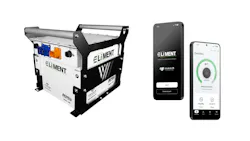
Each 5 kW module can be scaled up to 30 kW in parallel to match power and runtime demands of any application which means the ability to run HVAC, refrigeration, microwaves, and other hotel loads for a full 10-hour rest period without idling the engine.
A dedicated solar input and telematics output are also built into the battery management system, with an updated mobile app that provides real-time monitoring of battery health.
Solar assist
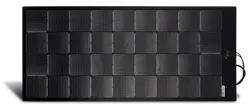
EPEQ Solar Assist, a flexible, adhesive-mounted solar solution designed to keep batteries charged while vehicles sit idle, now addresses parasitic electrical loads from telematics, GPS, ELDs and other onboard electronics that drain batteries when trucks are parked. Left unchecked, those drains lead to no-start events, jump starts, and premature battery failure.
If they have a long weekend, or somebody leaves a light on, something like that, we really see a need because we're seeing those batteries drop off," Jones noted to press at TMC. "We're happy to help out when that battery is dead, but if we can help you keep that thing topped off so that you're not dead in the water... we're happy to do so."
The panel are also very rugged and dependable, Jones said, explaining that one of the company's tests including puncturing one section of a panel with a bullet.
"If you puncture one of these things, it'll shut itself down," he said, but "the rest of the cells are still functioning. So you won't get 100% of the power because you're down a module, but you'll still get power out of it."
 gettyimages1368307305_wide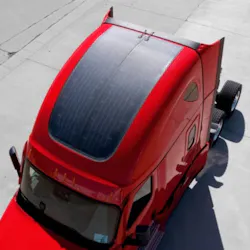
Vanair’s solar technology uses a patented mesh design that allows the panels to generate power even in low-light or partially shaded conditions. According to the company, fleets have seen solar battery tending extend battery life by up to 200% and reduce battery-related service calls.
Direct-fit configurations are available for major OEM platforms including Freightliner, Kenworth, Peterbilt, International and Volvo.
The company also highlighted its EPEQ EPTO system, which delivers up to 9 gallons per minute of hydraulic flow using battery power. For specialized carriers, this enables liftgate operation, pumping, and other hydraulic functions without idling the engine.
About the Author
 Lucas Roberto
Lucas Roberto
Lucas Roberto is a Senior Staff Writer and producer of multimedia content for Fleet Maintenance magazine. He holds a bachelor's in media production and a master's in communication from High Point University in North Carolina.