EPA digs into DEF derate issue; demands OEM data
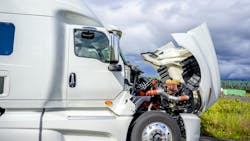
On Feb. 3, EPA announced it is “demanding” that OEMs submit DEF (diesel exhaust fluid) system failure data for independent evaluation this year. And what comes from those insights may affect future rule-making down the road. This is part of a continuing effort by the Trump EPA to alleviate a “massive issue” for diesel truck and farm equipment operators: engine derates due to DEF (diesel exhaust fluid) system failures.
The analysis, the EPA reasoned, will glean ways to improve system designs and ensure the highest quality materials are used within them, ultimately leading to more informed future rules to mitigate system failures.
The main argument is that derates and loss of power due to possibly minor issues impact truckers and farmers productivity and earning potential and may create a safety hazard.
“EPA understands this is a massive issue, which is why we have already established commonsense guidance for manufacturers to update DEF systems,” EPA Administrator Zeldin stated on Feb. 3. “Today, we are furthering that work and demanding detailed data to hold manufacturers accountable for the continued system failures. The Trump EPA is committed to ending unnecessary frustrations and days lost on the road and in the field for American farmers and truckers.”
The EPA provided that new guidance last August, requesting OEMs voluntarily update DEF system software for equipment currently on the road to relax the scenarios in which a DEF fault will trigger a loss or reduction in engine power, otherwise known as a derate. The cause could be a dirty sensor or lack of DEF in the tank, but the effect would be a vehicle entering limp mode and slowing to 5 mph—or shutting down. Until the fix is in place and fault code cleared, that unit obviously won’t get very far.
Under these guidelines, a tractor-trailer would not experience any performance change for 650 miles/10 hours. Then a 15% engine derate with no loss of speed would kick in for 4,200 miles or two work weeks. Speed would drop to 25 mph at four weeks until repairs are made.
Non-road equipment have a 36-hour grace period before torque starts to drop.
These rules also apply to the upcoming MY2027 engines. Many of those engines will have dual selective catalytic reduction systems to meet the lower NOx goals. SCRs require DEF to break up nitrous oxides, and these systems have been developed over several years. These late-stage changes add a new complexity to the already difficult task the Biden EPA placed on OEMs with the EPA 2027 NOx regulation.
Politics or progress?
On first blush, these changes appear to provide much needed relief to scores of truckers and farmers limping along due to a relatively minor issue.
Allen Schaefer, executive director of the Engine Technology Forum, a non-profit that actively educates the public on the benefits of diesel and alt-fuel engines on behalf of the OEMs, questions if the problem is truly “massive” or “just a few loud voices and stories being recycled to the right people.”
In our 2025 Fleet Manager survey, three out of four respondents agreed with the EPA’s proposal to widen the DEF-related derate/power loss window.
Schaeffer told Fleet Maintenance that since DEF and SCR were implemented in 2010 for on-road and 2014 for off-road, the technology has had its share of problems, “but in the last 15+ years there were no organized complaints about it before last year.”
His understanding is that the requested EPA software revision is “in the works as manufacturers are implementing this voluntary guidance.”
He did not argue how “massive” this undertaking is, as it involves millions of trucks and many more pieces of ag and construction equipment.
Schaeffer also lobbied on behalf of the OEMs’ reputation regarding the EPA requesting data to fix their system failures. In his view, they were simply complying with previous EPA demands to gain engine certifications. To stay within compliance for emissions, the manufacturers said there would be derates.
As for if any good will come from the EPA evaluating OEM derate data? Schaeffer is open to that possibility.
“A number of ideas might surface, but keep in mind most are tied to how stringent the emissions standards are (allowable levels of NOx and PM),” he offered. “Manufacturers have invested billions of dollars in achieving the near-zero emissions performance we have from today's diesel engines. SCR is integrated into engine, vehicle and equipment designs; it is not something you can unbolt and take off.”
About the Author
 John Hitch
John Hitch
Editor-in-chief, Fleet Maintenance
John Hitch is the award-winning editor-in-chief of Fleet Maintenance, where his mission is to provide maintenance leaders and technicians with the the latest information on tools, strategies, and best practices to keep their fleets' commercial vehicles moving.
He is based out of Cleveland, Ohio, and has worked in the B2B journalism space for more than a decade. Hitch was previously senior editor for FleetOwner and before that was technology editor for IndustryWeek, and managing editor of New Equipment Digest.
Hitch graduated from Kent State University and was editor of the student magazine The Burr in 2009.
The former sonar technician served honorably aboard the fast-attack submarine USS Oklahoma City (SSN-723), where he participated in counter-drug ops, an under-ice expedition, and other missions he's not allowed to talk about for several more decades.