How to prep your shop for next-gen natural gas Class 8 engines
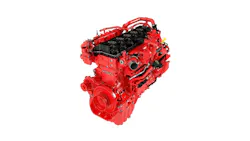
The latest generation of big-bore natural gas engines for Class 8 trucks, like the new Cummins X15N, deliver diesel-like performance with ratings up to 500 hp and 1,850 lb.-ft. of torque. These purpose-built spark-ignited powerplants meet stringent CARB 2024/2027 and EPA NOx standards while offering improved fuel economy — especially when paired with renewable natural gas (RNG), and significantly lower emissions compared to earlier models. For dealerships, the key advantage is that these engines build on familiar heavy-duty platforms, minimizing the need for wholesale changes in service department infrastructure.
Current manufacturer documentation and industry service guidelines emphasize evolution over revolution. Technicians experienced with similar diesel engines can adapt quickly, with serviceability focused on shared components and simplified aftertreatment. Here’s what Class 8 dealerships need to prioritize to support these advanced natural gas trucks effectively.
1. Build on platform commonality for efficient technician training
Many new natural gas engines share core architecture — such as the engine block, lubrication and cooling systems, and geartrain — with their diesel counterparts. This high degree of parts commonality allows shops to leverage existing expertise while adding targeted knowledge for spark-ignition differences.
Dealerships should:
- Identify lead technicians and enroll them in manufacturer-specific training modules covering combustion characteristics, ignition systems, and integration with compatible transmissions.
- Utilize online service portals for access to model-specific manuals, parts catalogs, service bulletins, and troubleshooting guides tied to engine serial numbers.
- Focus training on unique aspects like spark plug management and electronic control module (ECM) calibration, while relying on proven procedures for common systems.
This approach reduces retraining time and inventory duplication, enabling faster ramp-up to support mixed fleets running both diesel and natural gas vehicles.
2. Implement advanced digital diagnostics and connected tools
Modern natural gas engines emphasize uptime through built-in connectivity. Dealerships must adopt integrated diagnostic platforms that provide real-time fault codes, predictive maintenance alerts, remote monitoring, and over-the-air updates.
Recommended actions include:
- Subscribing to comprehensive service software suites for workflow management, parts lookup, and bay efficiency.
- Training staff on connected diagnostics to resolve issues faster, especially for long-haul operations where downtime is costly.
- Integrating vehicle configuration tools to support proper spec’ing and calibration.
These systems often align with those already in use for diesel engines, keeping incremental costs manageable while improving overall shop productivity.
3. Simplify aftertreatment and update maintenance schedules
A major service benefit of current natural gas engines is the use of a passive, maintenance-free three-way catalyst (TWC) aftertreatment system. Unlike diesel setups, there is no diesel particulate filter (DPF) regeneration, no diesel exhaust fluid (DEF), and no selective catalytic reduction (SCR) complexities. Oil drain intervals and spark plug service life often are extended, aligning maintenance cycles more closely with diesel counterparts in mixed fleets.
Here are steps dealerships need to take:
- Revise shop maintenance schedules using manufacturer quick-reference guides to reflect longer intervals for filters, belts, and plugs.
- Stock shared consumables across engine types to streamline inventory without excessive bloat.
- Highlight extended warranty and protection plans to customers, emphasizing predictable service costs and reduced downtime.
This simplification is a strong selling point for fleets transitioning to lower-emission options.
4. Prioritize natural gas fuel system safety and integration
While the engine itself follows familiar service paths, Class 8 natural gas trucks incorporate high-pressure CNG or LNG fuel delivery systems from specialized partners. Technicians must receive dedicated training on NG-specific hazards, including leak detection, high-pressure components, emergency procedures, and the proper was to prepare the vehicle for service.
Here are facility and procedural requirements:
- Ensure adequate shop ventilation, gas detection systems, and ignition-source controls to meet updated industry guidelines for natural gas vehicle (NGV) maintenance facilities.
- Train service advisors to coordinate engine work with fuel-system specialists when full-vehicle repairs are needed.
- Incorporate regular fuel tank inspection protocols (typically every three years or after a problem occurs) and follow best practices for cylinder handling and decommissioning.
Safety training and facility compliance among all technicians and service department personnel are non-negotiable for protecting staff and maintaining insurance coverage.
5. Fully engage the manufacturer and industry support network
Leverage the broad authorized service network already established for heavy-duty applications. Ensure your dealership is registered for full access to technical resources, parts distribution channels, and 24/7 support hotlines. Participate in ongoing certification programs to stay current with evolving standards.
A manageable transition with strong market potential
Servicing the latest Class 8 natural gas engines requires targeted preparation rather than a complete overhaul. By capitalizing on platform similarities, activating digital tools, simplifying aftertreatment routines, and addressing fuel-system safety, most dealerships can achieve readiness within weeks. As fleets seek diesel-like reliability with lower operating costs and emissions — driven by tightening regulations and RNG availability — prepared service providers will gain a competitive edge in the growing heavy-duty natural gas segment.
Reach out to your engine manufacturer representative or visit official product resources for the latest training schedules, service manuals, and facility guideline updates. This new generation of Class 8 natural gas trucks are entering fleets now — position your bays to support them seamlessly and capture new business opportunities.
About the Author
 Mike McHorse
Mike McHorse
Director of Industry Engagement
Mike McHorse is NACFE’s director of Industry Engagement. His responsibilities include interfacing with fleets, OEMs and suppliers, writing articles, conducting workshops and giving presentations. McHorse works closely with the fleets, drivers and sponsors for the Run on Less demonstrations. As a Daimler Truck and Premier Truck Group employee for 33 years, he held positions in product marketing, communications and sales development. A dedicated career in the heavy-duty truck segment allowed him to gain a thorough understanding of commercial fleet and owner-operator operations, vehicle fuel-efficiency and driver-retention features and dealership operations.