API approves PC-12 diesel engine oil spec, opens path for CL-4, FB-4 licensing
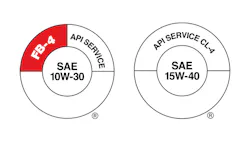
The American Petroleum Institute (API) has formally approved its next-generation heavy-duty engine oil specification, Proposed Category 12 (PC-12), clearing the way for new service classifications and licensing ahead of the 2027 model year.
With the approval, the API Service Category CL-4 and API FB-4 certification marks, commonly known as the “Donut”, are now available for use. Oil marketers can begin finalizing formulations and packaging to meet the new requirements before the first official licensing date of January 1, 2027.
PC-12 will be incorporated into API 1509, the organization’s Engine Oil Licensing and Certification System (EOLCS), which governs how engine oils are tested, approved, and brought to market. According to API, early availability of the CL-4 and FB-4 designations is intended to give lubricant suppliers and fleets time to prepare for a smooth transition.
“To support the next generation of heavy-duty engine technology and emissions standards, PC-12 establishes a strong technical foundation for performance, durability and environmental protection,” said Bill O’Ryan, Director-EOLCS/DEF with API. “Making the CL-4 and FB-4 service symbols available now allows oil marketers to prepare for a smooth transition as we approach the 2027 model year.”
The API licensee portal is scheduled to open June 1, allowing companies to begin entering CL-4- and FB-4-compliant products into the system ahead of full licensing.
From a maintenance and operations standpoint, the new specification is designed to support the latest heavy-duty engine platforms and tightening emissions standards. PC-12 oils are engineered to deliver improved oxidation resistance and wear protection, helping extend drain intervals and component life. They also target enhanced compatibility with seals and elastomers, along with better protection of aftertreatment systems, which are critical for maintaining uptime and avoiding costly emissions-related repairs.
Additionally, the specification supports lower-viscosity oil formulations, which can contribute to improved fuel economy without sacrificing engine protection—an increasingly important factor for fleets balancing efficiency with durability.