Going beyond the distance: why fleets should emphasize engine hours over odometers
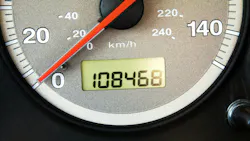
Fleet leaders who still rely on odometer readings alone feel pressure from every direction, from tighter delivery windows, chronic technician shortages, and rising parts and labor costs. Mileage tells part of the story, but it ignores how the vehicle actually works day after day.
A tractor that idles in yards or crawls through city traffic for hours can suffer far more wear than a truck that logs the same miles on open highways. Engine components, aftertreatment systems, and transmissions all age based on how long and how hard they are operated, not just how far they travel.
Modern maintenance teams that want to control downtime and extend asset life need richer data. By tracking engine hours, operating conditions, and behavior behind the wheel, teams can move away from reactive repairs and toward targeted, usage-based maintenance that matches the realities of their fleets. GPS and fleet management platforms now capture this data automatically, which allows maintenance leaders to focus on strategy instead of chasing logs and paper forms.
Look at engine hours, not odometers
Mileage-based intervals create blind spots, especially for mixed-use or urban fleets. Low-mile units that idle for long periods often hit critical wear thresholds without ever triggering a mileage-based service. According to Oak Ridge National Laboratory’s 2016 paper on OEM idling recommendations, idling can create sulfuric acid that eats away at engine components, while also lowering in-cylinder combustion temperatures, resulting in more soot, leading to carbon deposits and more wear and tear. The lab notes that idling also increases oil contamination, decreasing oil drain intervals.
Tracking engine hours closes this gap, because it measures actual run time, which reflects oil degradation, coolant stress, and component fatigue.
Maintenance planners can set preventive maintenance thresholds by use case. For example, yard tractors may need oil changes after a set number of engine hours, while highway units can stay on mileage-based schedules. Engine-hour data also helps teams make better warranty and replacement decisions.
When a vehicle shows relatively low mileage but very high hours, planners can forecast earlier overhaul or replacement, avoiding surprise failures that disrupt routes and customer commitments.
Monitor driver behavior to protect assets
A telematics system can now capture granular driver-behavior data, including harsh acceleration, hard braking, speeding, and cornering events. These patterns directly affect tire life, brake wear, suspension health, and even the likelihood of unexpected breakdowns.
Maintenance managers who review behavior data with operations and safety teams can link coaching to hard outcomes. Fewer aggressive events often correlate with lower fuel consumption, fewer unscheduled repairs, and extended component life. Over time, behavior scorecards help identify outliers who put equipment at risk and high performers whose driving style can serve as a model in training programs.
Reduce idling and heat-related wear
As previously mentioned, excessive idling creates a double cost: fuel burn with no revenue miles and accelerated wear on engines and aftertreatment systems. Fleets that track idling by vehicle and by driver can pinpoint specific routes, customers, or operating practices that drive idle time.
When maintenance and dispatch teams collaborate around this data, they can adjust staging procedures, recommend different arrival windows, or alter routes to cut idle-heavy congestion. Reduced idling not only lowers fuel costs, but it also curbs soot buildup, DPF issues, and heat-related component failures that often trigger expensive unplanned shop visits.
Treat maintenance history as a strategic asset
Every repair order represents more than a cost. It captures evidence about asset health and process performance. Robust fleet maintenance programs track not only what work occurred, but also labor hours, parts usage, failure codes, and whether the job was planned preventative maintenance or an unplanned repair.
With this level of detail, teams can calculate metrics such as:
- Mean time between failures (MTBF) to identify chronic problem units or components
- Repeat repair rates to spot workmanship or diagnostic issues
- Maintenance cost per vehicle, per mile, or per hour to support retirement and replacement decisions
When managers review these metrics regularly, they can redirect preventative maintenance toward the failure modes that matter most, instead of simply following static OEM schedules.
Use real-time vehicle and location data
Modern GPS fleet platforms provide real-time visibility into vehicle locations, routes, and arrival and departure times. Maintenance teams can leverage this operational data in several ways, including:
- Plan preventative maintenance around natural dwell times at depots or customer locations, minimizing disruption
- Confirm that vehicles follow approved routes and avoid areas that create excessive stop-and-go or steep grades
- Identify underutilized units that can absorb miles from overworked assets, balancing wear across the fleet
For organizations that handle leased or rented equipment, the same real-time tracking capabilities support more accurate billing and damage control. When tracking rental fleets with telematics, managers can verify usage against contract terms, monitor abuse patterns and ensure timely returns and inspections.
Align key performance indicators with business outcomes
Tracking data alone doesn’t improve performance. Teams need clear key performance indicators (KPIs) that tie to business goals. Industry resources highlight several maintenance-focused KPIs that extend beyond mileage, including:
- Fleet availability rate and vehicle downtime
- Preventative maintenance rate
- Maintenance cost per vehicle, per mile, or per hour
- Total cost of ownership (TCO) across the asset life cycle
Management-level leaders can prioritize a small set of KPIs that match current pressures. For example, reducing unplanned downtime by a set percentage or improving preventative maintenance compliance to a defined threshold. Regular reviews of these KPIs with operations, finance, and safety create alignment and keep maintenance decisions grounded in measurable impact.
Building a more complete picture of asset health
When maintenance teams expand their focus beyond mileage to include engine hours, driver behavior, idling, maintenance history and real-time operating data, they gain a far more accurate view of asset health and risk.
Engine-hour-based intervals protect high-idle and mixed-use equipment, while behavior and idling analytics reveal how driver practices shape wear and fuel costs. Detailed work-order history and targeted KPIs help leaders shift from reacting to failures to preventing them, and location-aware telematics enable smarter scheduling and utilization decisions.
For management-level professionals, the challenge no longer centers on data access but on deciding which metrics best connect maintenance activity to uptime, safety, and profitability.
About the Author
Robert Hall, Jr.
Robert Hall, Jr., leads Track Your Truck, Inc. as Vice President of Sales and Marketing. Hall’s commitment is to driving revenue growth and expanding the company’s market presence. He is passionate about helping companies optimize their operations with advanced fleet tracking software, while also providing friendly support and an easy user experience.