Essentials for your light-duty emergency roadside breakdown kit

It’s a sound every driver dreads. The thwack-thwack-thwack of a flat tire and the sudden silence as your engine sputters and dies. Your heart sinks as you realize you're about to become part of the 69 million Americans who experience vehicle breakdowns each year.
And the stakes are high when light-duty fleet vehicles have an issue on the road. The important thing is to stay safe and visible on the roadside until help arrives. (And to find that help quickly, we recommend having a service locator app downloaded on your mobile device.)
Most drivers don't think about emergency roadside service until they're already stranded. But what you keep in your vehicle and how you respond can mean the difference between a minor inconvenience and a dangerous situation. Here are some things to keep in mind.
Roadside safety essentials
Having the right items on hand can turn a potential crisis into a manageable problem you can either solve yourself or safely wait out. We’ve broken it down into three categories.
Get moving
These are the tools that might just get you back on the road without a call.
- A properly inflated spare tire: This seems obvious, but "properly inflated" is key. Check your spare's pressure every six months. A flat spare is just a round piece of irony.
- Jack and lug wrench: These tools are often stored with the spare. Know where they are and how to use them. (If you don't know how to use them, driving a commercial vehicle might not be the best career choice.)
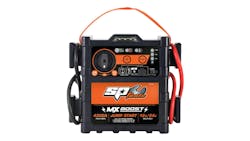
- Jumper cables (or a Lithium-ion jump pack): Cables are good. A portable jump pack is better because you don't need a second "donor" vehicle. It's self-contained power. For more on jump starters
- Basic toolkit: A multi-head screwdriver, a pair of pliers, and an adjustable wrench can handle surprisingly common, minor issues, like a loose battery terminal.
Read more: Getting the jump on engine starting
Stay safe and be seen
This is the most important category. If you’re stuck on the side of the road, visibility is safety.
- Reflective triangles or LED flares: This is non-negotiable. Three triangles or flares are ideal. They create a visual warning for oncoming traffic and establish a buffer zone around your vehicle.
- High-visibility vest: You are infinitely more visible in a neon yellow vest than in a dark coat. For a few dollars, it’s the best life insurance you can pack. Keep it in your glove box, not your trunk.
- A powerful flashlight (and extra batteries): A phone flashlight is not enough. A bright, dedicated flashlight or headlamp (which frees up your hands) is crucial for inspecting your vehicle, changing a tire in the dark, or signaling for help.
- Work gloves: Engines are dirty, and parts can be hot or sharp. A sturdy pair of gloves protects your hands during any inspection or repair.
Staying comfortable
You may be waiting a while. Being comfortable keeps you calm and thinking clearly.
- Phone power bank: Your phone is your lifeline. A fully charged power bank ensures you can make the call for help and communicate with family, even if your vehicle's battery is dead.
- First-aid kit: From a simple cut to a more serious injury, a well-stocked kit is essential.
- Water and non-perishable snacks: A couple of water bottles and energy bars can be a lifesaver, especially if you’re stranded in a remote area during a snow storm. (Fleet Maintenance previously reported on a trucker who was snowed in at a rest stop for three days!)
- Seasonal gear: In winter, add a warm blanket, gloves, and a hat. In summer, a rain poncho or an umbrella can offer protection from rain or sun.
The breakdown playbook
- Prioritize visibility: Hazard lights on, high-vis vest on, and deploy reflective triangles
- Exit safely: When possible, exit the vehicle from the side away from traffic and move behind a guardrail or barrier
- Know your location: Note mile markers, cross streets, or nearby landmarks to speed dispatch
- Avoid roadside repairs: Changing a tire or crawling under a vehicle on a narrow shoulder puts drivers at serious risk. Wait for fleet roadside assistance or a service truck.
- Communicate with the fleet: Report the issue immediately so maintenance teams can determine whether to dispatch support, tow, or swap out the vehicle.
From stranded to safe
Ultimately, the goal is to get home safely. Having the right tools in your vehicle and a clear response plan in your head makes all the difference. By preparing in advance, you're creating a safe environment for your fleet’s maintenance team, roadside service provider, or a trusted towing company to arrive and handle the situation safely.
About the Author
Paula Santillan
Paula Santillan is a content writer at My Biz Niche. With seven years of writing experience under her belt, she has skillfully crafted a versatile writing style through extensive freelancing and professional writing across various niches and content types.