Why collision repair downtime is a fleet maintenance priority
Key Highlights
- Repair cycle time has become an operational priority as fleets face rising costs and technician shortages.
- Real-time repair visibility helps fleet managers coordinate schedules and reduce administrative delays.
- Increasing vehicle complexity is driving demand for repair partners with specialized expertise and connected services.
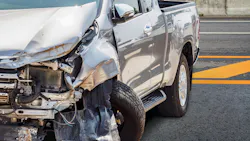
Fleet operators are under more pressure than ever right now, and that pressure comes with a cost. Every day a vehicle sits in the shop has a real cost in productivity, customer commitments, and revenue. These current pressures are due to rising repair costs, technician shortages, and ever-evolving vehicle technology.
This environment has prompted a shift in repair strategy. What was once viewed primarily as a maintenance function has become an operational priority. Within the fleet industry, a single collision creates disruption across drivers, dispatchers, customers, and the business itself. Reducing this disruption requires a repair process built around coordination, communication, and efficiency, not repair quality alone.
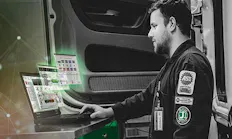
Additionally, fleet operators are looking for connected solutions that bring repair services and real-time visibility together, giving them control over and insight into the repair process from start to finish.
Uptime is the new standard
The success of fleet managers is measured by how quickly a vehicle goes back into service. Every additional day a vehicle is in the shop affects productivity and revenue, making reducing cycle time a key priority for fleet managers. Cycle time depends on a variety of factors, including coordination across estimating, part procurement, diagnostics, and repair planning. But some of the biggest delays happen between those steps. Authorization delays, disconnected vendors, and unnecessary handoffs can quietly add time to the repair cycle, making coordination just as important as the repair itself.
Administrative responsibilities can also contribute to downtime. Chasing updates, coordinating multiple vendors, and managing approvals take valuable time away from other operational priorities. A connected repair platform could help address these challenges by bringing services together in one place, simplifying coordination and giving fleet managers greater visibility into each stage of the repair process.
At the same time, speed cannot come at the expense of safety. Repairs that follow OEM procedures protect drivers and reduce the chances of a repeat visit, so speed and safety have to move together.
Visibility matters just as much as speed
The relationship between a fleet manager and their repair partner requires visibility to build trust. This trust comes from the visibility inside the repair process while the vehicle is in the shop. Fleet managers require real-time status updates, a single point of contact, and a predictable timeline to make operational decisions.
As fleet operations become more complex, visibility needs to extend beyond individual repair updates. Fleet managers benefit from having a centralized view of their repair needs, allowing them to track progress across services and locations without navigating multiple disconnected systems. Platforms that connect repair services and provide real-time visibility could help fleet operators make more informed decisions while reducing the administrative burden of managing repairs.
Trust and visibility between the repair partner and fleet manager give a fleet room to adjust schedules, customer commitments, and replacement vehicle plans on their own terms.
Vehicle complexity demands a different kind of repair partner
Over the past few years, commercial vehicles have advanced significantly, changing what a repair actually requires. Today, commercial vehicles carry more advanced technology, including ADAS systems, which require specialized diagnostics and calibrations. As the industry keeps growing and advancing, fleet operators need repair partners with the training, equipment, and OEM knowledge required to repair today’s vehicles safely and effectively.
This growing complexity also reinforces the importance of connecting specialized services. A collision repair may involve glass replacement and ADAS calibration, requiring coordination across multiple stages of the process. When those services are connected, fleet operators could benefit from a more streamlined repair experience without sacrificing the expertise required for each repair.
Fleets want connected solutions, not individual transactions
Consistency for fleets operating across many markets matters as much as the repair. For large fleets, that means receiving the same level of repair quality and service across every market. Today, many repairs do not require just one service. Many repairs require collision, glass, and calibration repairs, which have traditionally been handled separately. When those services are handled separately, each additional handoff can introduce another opportunity for delays, communication gaps, and administrative work. A connected repair process can reduce those friction points while giving fleet operators clearer visibility into both individual repairs and overall fleet performance.
The industry has an opportunity to rethink how fleet repairs are managed. Rather than coordinating each service independently, a connected repair platform could bring each service together in one place. The value of this approach extends beyond convenience. For fleet managers overseeing vehicles across multiple markets, a connected repair platform could create greater synergy across operations by providing real-time visibility into repair status and streamlined access to services. This connectivity could make it easier to anticipate delays, coordinate schedules, and make informed operational decisions. Rather than navigating multiple vendors and disconnected systems, fleet operators could benefit from a more unified repair process that improves communication, consistency, and efficiency.
As vehicle technology continues to advance, the strongest repair partnerships will be defined by more than the repair itself. Fleets need partners that can connect services, provide visibility throughout the process, and help reduce downtime without compromising safety or quality, while delivering that quality consistently at scale. Ultimately, the future of fleet repair is about keeping vehicles on the road, drivers moving, and operations running with confidence.
About the Author
Brent Jones
Brent Jones is the Senior Vice President of Fleet Operations at Caliber, one of the nation’s largest automotive repair and service providers. Brent leads Caliber’s fleet operations, focusing on delivering connected repair solutions that improve consistency, visibility and vehicle uptime for fleet customers nationwide.
Related
 190702305 Tsikhan Kuprevich Dreamstime
 Getty Images 117229344