Noregon’s CAN Mentor empowers all techs to troubleshoot electrical issues
Key Highlights
- CAN Mentor helps technicians identify truck CAN network faults with guided diagnostics and live data.
- Noregon says CAN Mentor cuts initial CAN bus diagnostic time from 10–15 minutes to about 2 minutes.
- Guided CAN diagnostics can reduce unnecessary parts replacement and keep experienced technicians on other work.
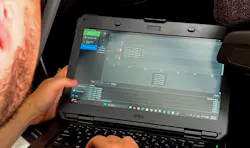
Electrical systems have long been one of the more difficult areas to diagnose and repair on a truck, with many shops leaving the work to only the most experienced technicians. A new software tool now available from Noregon called CAN Mentor enables techs of varying skill levels to troubleshoot and repair CAN network issues, using live CAN network diagnostics, graphs, and troubleshooting assistance. As the name suggests, it’s like having a highly skilled electrical ace standing next to you, while allowing your shop’s more experienced techs to stay on their own tasks. And for independent shops and small fleets lacking a tech skilled in electrical diagnostics, the tool eliminates the need to outsource certain jobs to a dealership, the company said.
“Without having an extensive background in network analysis, technicians can use CAN Mentor to diagnose communication issues and know where to begin troubleshooting the issue,” explained Jason Hedman, Noregon’s product manager.
CAN Mentor is a standalone version of the CAN BUS Diagnostics features found in the latest update of JPRO, and connects to the vehicle via a Noregon DLA+ 3.0 XBT adapter.
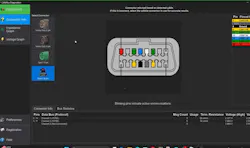
The software looks for out-of-spec conditions and isolates where the CAN channel problem exists. The mentorship continues by providing technicians with insights that help them diagnose the issue confidently, working toward a successful repair.
The company designed the tool to make electrical troubleshooting more approachable while also speeding up the diagnostic process, leading to faster uptime. This should also prevent a ‘swapnostic’ approach, or when techs throw different replacement parts at a problem until they get it right.
And because CAN Mentor measures voltage and resistance on its own, the use of multimeters and oscilloscopes may not be required, according to Noregon. Recently, the company compared diagnosing a CAN bus network issue with a digital multimeter versus CAN Mentor. Both yielded the same result—an intermittent voltage issue— but the manual process using the multimeter required extra steps. The tech disconnected the battery to check resistance and, after finding no issues, reconnected it. Then he used the leads to check voltage, doing this multiple times to confirm he was on the correct pins before determining the problem was intermittent voltage. CAN Mentor did not require disconnecting the battery, and software checked all the CAN channels at one time. The tech said he did not need to confirm multiple times that he was on the correct pins to reach the same conclusion. Noregon estimated the time to first useful diagnostic insights was 10 to 15 minutes with the multimeter and 2 minutes with CAN Mentor.
While Noregon did say CAN Mentor can locate where an issue is occurring, such as a general area of the wiring harness, an o-scope or multimeter may be needed to physically verify the exact location. But reliably using these diagnostic tools is something a large number of techs cannot do, according to a Noregon spokesperson, who added some technicians have trouble even identifying the symbols surrounding a multimeter’s selector switch. [Ed. Note: Yet another reason to Ohm-school your kids, folks.]
Noregon also suggested that large shops already using JPRO may benefit from a dedicated tech who uses CAN Mentor specifically for network issues.
About the Author
 John Hitch
John Hitch
Editor-in-chief, Fleet Maintenance
John Hitch is the award-winning editor-in-chief of Fleet Maintenance, where his mission is to provide maintenance leaders and technicians with the the latest information on tools, strategies, and best practices to keep their fleets' commercial vehicles moving.
He is based out of Cleveland, Ohio, and has worked in the B2B journalism space for more than a decade. Hitch was previously senior editor for FleetOwner and before that was technology editor for IndustryWeek, and managing editor of New Equipment Digest.
Hitch graduated from Kent State University and was editor of the student magazine The Burr in 2009.
The former sonar technician served honorably aboard the fast-attack submarine USS Oklahoma City (SSN-723), where he participated in counter-drug ops, an under-ice expedition, and other missions he's not allowed to talk about for several more decades.