Coats expands RC Series with new wheel balancers
Key Highlights
- The RC 450 and RC 550 replace previous models, providing improved balancing capabilities for passenger cars and light trucks.
- These balancers operate on 115V power, seamlessly integrating with Coats' tire changers for a unified service process.
- The series is ideal for shops seeking to expand tire services without altering existing layouts or infrastructure.
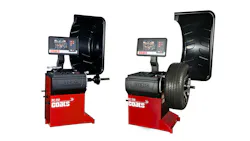
Coats has expanded its RC Series tire service lineup with the addition of the RC 450 and RC 550 wheel balancers, pairing them with the company's existing RC tire changers to create a matched tire service solution for general repair shops and tire dealers.
The RC Series is designed for shops servicing passenger cars and light trucks with common OEM wheel and tire fitments, as well as tire dealers looking to add capacity during seasonal demand.
The new RC 450 and RC 550 replace the company's 1185 and 885 space-saving wheel balancers. Both operate on 115V power and are intended to provide balancing capabilities alongside the RC tire changers, which feature Coats' rim clamp and swing arm designs.
“The strength of the relaunched RC Series is the pairing,” said Kyle Harris, senior product manager at Coats. “A tire changer and balancer should work together as part of the same process. RC gives shops that connection in a way that is straightforward, serviceable, and built around the tire work they handle every day.”
According to Coats, the updated RC Series allows shops to perform tire changes, rotations, balancing, and new tire installations without requiring additional shop space or significant workflow changes.
The company also noted that compatible Coats accessories can be added to expand fitment capabilities as shop needs change. The equipment is supported through Coats Connect, which provides access to factory-trained service technicians, OEM replacement parts, and product support.
Coats said the expanded RC Series is intended to provide an entry-level tire service solution for shops looking to increase tire service capacity while using their existing shop layout and power infrastructure.