Prokeep, Decisiv integrate service and parts communication workflows
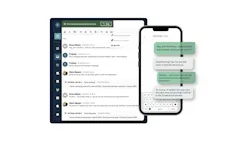
Commercial vehicle dealers using Prokeep and Decisiv can now connect customer conversations, service cases, and parts requests through a new native integration designed to reduce communication delays and speed up repair workflows.
The integration links Prokeep’s messaging platform with Decisiv’s Service Relationship Management (SRM) system, allowing service and parts departments to share updates in real time while keeping customer communication tied directly to the repair case.
According to the companies, the integration automatically syncs information to matching Decisiv cases, including communications that happen before a case is opened or after it is closed. This eliminates the need for manual uploads, screenshots, or technicians and service advisors relying on personal devices to track conversations.
"When truck dealers are running multiple systems to manage a single
repair, the people at the counter are paying for it in keystrokes," said Jack Carrere, CEO and Co-Founder of Prokeep. "Now every text, every parts request, and every follow-up lands where it belongs. This is where distributors win more orders."
The system also streamlines internal parts requests. Service departments can escalate a parts request from an active Decisiv case directly into the parts team’s Prokeep queue, where updates sync back automatically. Both departments can then view live order status updates within their existing workflows without switching between multiple systems.
The companies said the integration was developed in response to dealer feedback about inefficiencies caused by disconnected communication tools. In a March 2026 Prokeep survey of 85 truck dealers and distributors, 84% of respondents said employees lose one to four hours per week chasing internal updates, while 95% reported stalled orders remaining in queues each week.
Bruckner's Truck & Equipment served as the pilot customer for the rollout, which is now active across all of the dealer group’s service center locations. According to the company, the integration reduced manual communication tracking and improved visibility between service cases and customer interactions.