Trucker Path adds cargo theft risk data to navigation platform
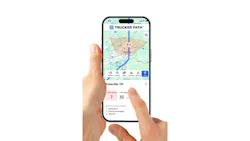
Trucker Path has integrated cargo theft trend data from Verisk CargoNet into its navigation platform, giving drivers and fleets greater visibility into high-risk theft areas across the U.S.
The new capability comes as cargo theft remains a significant concern throughout the supply chain. According to Verisk CargoNet, 1,120 cargo theft incidents resulting in more than $121 million in estimated losses were recorded during the first five months of 2026.
“Cargo security continues to be a growing concern for fleets and drivers,” said Chris Oliver, CMO at Trucker Path. “By incorporating a Verisk CargoNet theft cloud overlay in Trucker Path, drivers will instantly know when they’re in high theft areas. That level of heightened awareness will lead to proactive deterrence.”
The theft risk overlay is now available in the Trucker Path app, which already provides truck-specific navigation features such as real-time truck parking availability, fuel pricing, weigh station status, and other operational data.
According to Verisk, California, Texas, and New Jersey accounted for more than half of all cargo theft activity during the first quarter of 2026. Theft incidents also remain heavily concentrated around warehouse and distribution centers and truck stops.
The new feature provides users with:
- Theft risk ratings by county, categorized as low, medium, or high risk
- Monthly updates on total stolen vehicle counts
- Information on the most commonly stolen commodity categories
- Data on common theft types, including cargo-only, full-truck, and trailer thefts
- The ability to filter risk levels to focus on higher-risk areas
“Cargo theft insights can help transportation companies reduce exposure to theft and improve safety for drivers,” said Ryan Shepherd, general manager of Verisk CargoNet. “Theft risk is increasingly tied to specific locations and operational environments, particularly in high-density logistics regions and common stop points along freight routes. Integrating this data directly into navigation tools helps close a critical visibility gap for drivers and fleet operators.”