The price is right? Fleets question that and demand vendor transparency
GRAPEVINE, Texas—Pricing transparency: Is that too much to ask? In most business relationships, no.
With tariffs looming over trucking right now—invoices and estimates are like Russian nesting dolls, as each hidden cost covers another—it probably is a lot.
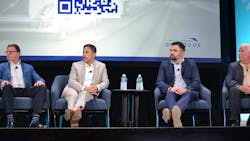
But that didn’t stop veteran fleet leaders from demanding it at the 2026 Heavy Duty Aftermarket Dialogue during the Fleet Perspective panel, which overall addressed changing trends in buying behavior due to the current economic landscape. The fleet executives shared a sobering look at the state of the trucking industry. Heading into year four of the Great Freight Recession, freight rates remain low but operating costs are soaring. That means every penny-per-mile counts, and fleet leaders are under pressure to find savings.
And this isn’t just one corner of the industry. This panel represented diverse sectors—from automotive steel and bulk chemical hauling to agricultural cooperatives and port containers— and featured:
- Jim Burg; president and CEO of James Burg Trucking Company
- Dennis Meyer-Razon, category manager at CHS Inc.
- Joseph Richley, VP of maintenance at Groendyke Transport
- and David Schnautz, president of Clark Freight Lines
They all hail from different markets, but carried the same message for their OEM and aftermarket suppliers: The traditional "strategic partnership" with vendors is under significant strain. And more than ever, equipment vendors and service providers have an opportunity to strengthen partnerships—or ruin them.
With this more discerning and frugal fleet crowd, a vendor can’t get by on its logo and reputation alone. The panelists emphasized that strength can be gained from communication, transparency, accountability, and of course, a demonstrated return on investment (ROI), which they agreed are now the most critical factors in maintaining vendor relationships.
Here’s the breakdown.
Transparency deficit: tariffs and pricing frustrations
Topping the panel’s list of concerns was the lack of clear communication regarding pricing, particularly concerning tariffs. Groendyke’s Richley noted that while tariffs are often announced and paused with high visibility, OEMs have struggled to provide accurate, detailed pricing. Fleets are frustrated and want to see the specific impact of tariffs on invoices, down to the penny.
Schnautz noted that while suppliers are quick to pass on tariff-related price increases, they are rarely as fast to lower those prices when costs drop. This perceived lack of honesty has led some fleets to "bake in a question mark" for their budgets, relying on best guesses rather than reliable data from their partners.
The economic pressures of 2025 and 2026 have forced fleets into a "cost-savings mode," which in turn has changed how they view their suppliers. Meyer-Razon observed that the term "strategic partnership" often feels one-sided in the current market.
Consequently, fleets that once prioritized loyalty are increasingly "shopping around" for parts to maximize spend and ensure availability.
This shift is most evident in the move toward value-line parts and e-commerce. Schnautz admitted that when an OEM cannot provide a part for a month, his team will turn to Amazon or eBay to find the same component.
As Richley put it, while he prefers a partner he can hold accountable, "price is king" in an environment where freight rates are low and parts costs continue to rise. As long as a part meets quality standards, does not violate warranties, and demonstrates a clear ROI, the brand name on the box is becoming less important than the bottom line.
The indispensable salesperson
Despite the rise of online platforms, the panel was unanimous in their support for face-to-face sales relationships. While they appreciate the efficiency of e-commerce for simple ordering, they believe digital platforms cannot replace the knowledge base of a dedicated sales representative.
"I want my salespeople," Schnautz said, emphasizing that a good representative knows the specific needs of a fleet and can offer solutions that e-commerce cannot.
The panelists value reps who can visit shops, check inventory, and troubleshoot failures, which is a level of support that returning a part through an online portal cannot match. However, the panelists emphasized that scheduled visits were important, rather than "unannounced pop-ins," reflecting a desire for more professional, less disruptive communication.
Looking ahead: a call for accountability
As the industry moves through 2026, fleets are asking their vendors to do more than just sell parts; they are asking for demonstrated ROI.
Meyer-Razon challenged suppliers to take on more responsibility for cost fluctuations rather than simply passing every increase to the customer.
The panelists’ "rapid-fire" demands for 2026 centered on four pillars:
- Transparency: Openness about costs and availability.
- Availability: Ensuring parts are on the shelf to keep trucks running.
- Understanding: Truly knowing the client's business needs.
- Quality: Not jeopardizing the long-term integrity of the vehicle for short-term gains.
Ultimately, while the economy remains the primary concern keeping these leaders up at night, the strength of their vendor relationships serves as their primary tool for navigating that uncertainty.
For vendors, the message from the HDAD panel was clear: those who provide clear data, reliable support, and honest communication will be the ones to survive this cycle alongside their fleet partners.