Rebuilt vs. remanufactured truck engines: What fleet managers should know
Key Highlights
- Rebuilt and remanufactured engines differ in inspection, parts replacement, machining, and testing standards.
- Upfront engine costs should be weighed against installation labor, potential downtime, and future repairs.
- Warranty terms, supplier experience, and expected truck service life all factor into engine replacement decisions.
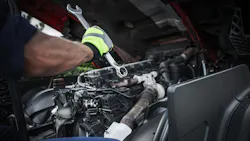
Engine replacement can be a major operational decision for a fleet. Many fleet managers find themselves weighing rebuilt versus remanufactured engines when a truck in their fleet requires a replacement powerplant. Both rebuilt and remanufactured engines can be good options to consider instead of buying new. However, the difference between them is much more than semantics.
How rebuilt truck engines are restored
A typical rebuilt engine is torn down to allow the technician to see what parts may be damaged or worn. Parts are removed as needed, and parts within specification may be reused if possible. Machining is done if needed, and then the engine can be assembled and tested for function.
This approach gives fleet managers an opportunity to control the initial expense of an engine replacement. A reputable rebuilding operation can produce a dependable engine.
What makes a remanufactured engine different?
Remanufacturing typically follows a more standardized rebuilding process. The engine is completely disassembled, cleaned, and inspected against established specifications. Parts outside of those specifications are replaced. Critical wear parts may also be replaced as part of the process, whether they have failed already or not.
Precision machining is another important distinction. Critical engine surfaces can be machined to specified tolerances before assembly. A remanufactured engine is also more likely to get updated components installed when improved designs have become available.
Then there’s testing. A thorough remanufacturing process includes testing under controlled operating conditions to verify pressure, temperature, electrical performance, and other operating characteristics, which can be very beneficial both initially and in the long run.
Cost considerations
Price will certainly come into play, especially if the fleet is working within an allotted maintenance budget. Rebuilt engines can cost less upfront, as there are often fewer replacement parts and less machining involved.
Installation takes time and manpower, but those aren’t the only costs. A truck languishing inside a service bay isn’t bringing in bucks. Should the engine need even further work upon installation, the fleet could have to weather yet another service event and more downtime, and costs will keep going up.
At the end of the day, the numbers might favor a remanufactured engine if a truck has a lot of remaining useful life or if labor to replace the engine is a large percentage of the cost of repair. Consider the cost of full replacement instead of judging the engine invoice alone.
Warranty coverage considerations
Fleet managers should examine the actual warranty coverage rather than relying on a general warranty length stated during the purchasing process.
Questions regarding parts coverage, labor, exclusions, and claims should be answered before the engine is installed. If a warranty will cover an engine component but not many of the installation-related costs, it can offer a different type of protection than an all-inclusive warranty.
Warranty coverage should also be in line with how the fleet is being run. A truck that racks up a lot of miles each year can put very different stress on its replacement engine compared with a truck used for light duty.
Long-term performance should guide the decision
A fleet manager can weigh the engine decision against how much longer they plan on keeping the truck in service. A truck that will be around for many years may warrant going with an engine that has a longer expected service life.
An older truck with a shorter remaining expected service life may need to be re-evaluated when calculating costs. The fleet’s maintenance strategy, replacement schedule, and projected annual mileage may all play a role in what’s in the best interest of the operation.
This analysis can apply to other equipment choices as well. When managers evaluate semi-truck accessories or other replacement parts, they sometimes think about durability in terms of application. Engine selection should be viewed similarly.
Questions fleet managers should ask
The supplier should be able to articulate specifically how the engine was rebuilt or remanufactured. Fleet managers should ask for documentation regarding what parts were replaced during the process and what parts were reused.
The testing process is another area that should be addressed specifically. Don’t be shy about digging in. Asking specific questions about how the engine was measured and tested is going to help make the decision clearer, rather than just accepting general statements about quality.
Warranty coverage is another topic that should be examined prior to purchase. Look for what is excluded from the warranty that could possibly cause an issue with a future claim. It’s also important for the fleet to know who will work on a problem if an issue is found after the engine has been installed.
Supplier experience is yet another factor to consider. If the service process is clear, it can help ensure that warranty or technical questions down the road are easier to manage.
Making the right engine choice
It’s never a straightforward choice, but fleet professionals who look at refurbishment standards, warranty coverage, anticipated downtime, and expected lifespan can choose between rebuilt and remanufactured truck engines with confidence. This allows for continued reliable operation and lets maintenance teams better plan for future engine needs.
About the Author
Cal Turner
Cal Turner is an integral part of the Fitzgerald USA team and is Co-Owner/Operator of Fitzgerald USA Truck Parts Online, a leading provider of high-quality truck parts and accessories. Turner, a University of Tennessee graduate, has been immersed in the trucking industry for nearing a decade. He has spent the last several years expanding on how he can provide unmatched services, products, and expertise in the online truck parts market.