Uptime over upfront savings: Why quality components matter
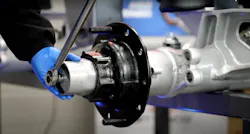
For fleets focused on lowering their cost per mile (CPM), it’s important to consider that component quality plays a direct role in long term performance. A premium seal, bearing, or hub cap isn’t just a part, it’s insurance against failure.
Higher-quality components use stronger materials, which includes precise heat treatment, tighter tolerances, and improved contamination resistance. Since contamination remains one of the leading causes of wheel end issues, these features help extend service intervals and reduce the likelihood of secondary damage to your truck’s wheel end.
While the upfront cost may be higher to invest in quality components, the lifecycle cost trends lower. That’s because premium parts last longer, require fewer replacements, and provide more predictable maintenance planning. Over time, those factors translate into measurable savings and reduced operational disruption to your fleet.
 amerit_fleet_solutions_1
Lower CPM
Wheel end failures are expensive. A single breakdown can include compounding costs like roadside service fees, towing, replacement parts, technician labor, lost driver hours, and missed delivery penalties. When fleets calculate cost per mile, it’s easy to see how a $20 to $50 dollar savings on a cheaper part disappears the moment a truck is forced off the road.
Reliability shifts the conversation from parts price to overall financial impact. Fleets that track cost per mile understand how quickly one unplanned event can distort monthly operating costs. Investing in premium components prevents these costs before they occur.
Boosting uptime
Every hour a truck is not rolling represents lost revenue for your fleet. Premium wheel end components reduce any unplanned maintenance, roadside events, repeat repairs, and downtime during peak demand season. For large fleets, uptime is far more valuable than the initial cost of individual parts. Choosing reliable parts and components ends up being a revenue protection strategy, versus simply a brand or purchasing preference.
Safety and compliance
As mentioned, wheel end failures carry the potential for catastrophic events such as wheel offs, fires, or bearing seizures. Opting for higher-quality components is a safer choice, primarily because it helps fleets reduce CSA (Compliance, Safety, Accountability) violations, avoid accidents and liability, and maintain consistent brake and wheel performance. That’s why safety directors often push for premium parts across their fleets, because the operational and legal risks of failure are just too high to ignore.
Predictability and standardization
If there’s one thing that large fleets value, it’s consistency. Premium components deliver predictable performance, longer and more reliable maintenance intervals, fewer surprises for technicians, and better compatibility with automated maintenance systems. These are worth their weight in gold, because for fleets, predictable performance simplifies maintenance planning, reduces disruption in the shop, and strengthens cost control over time.
Higher end components also hold an advantage when it comes to warranties and OEM compatibility. In fact, they often include longer warranties and meet OEM approved specifications. This alignment with OEM engineering standards gives fleets confidence in both fit and long-term durability. For most fleet managers, if a purchase can protect uptime and reinforce profitability for your fleet, then that’s the wiser (and safer) choice to go with every time.
Driver satisfaction and retention
It’s important to note that drivers and operators are the best sources of feedback for the vehicles in your fleet. Trucks feel smoother, quieter, and more stable when fitted with high-quality components. For example, premium bearings and seals reduce vibration and heat, improving ride quality and limiting driver complaints. One thing the last few years taught us is that even subtle improvements in driving experience contribute to retention, particularly in a tight labor market.
At the end of the day, all of these factors tell a much larger story. Fleets often choose higher-priced wheel end components because the cost of failure far exceeds the price difference of the parts themselves. Choosing premium components is a sure way to protect uptime, support safety, improve predictability, and reduce lifecycle costs, making them the smarter financial choice over the life of your vehicles.
About the Author
Kenneth Lang
Senior manager, product management & strategy, Stemco