How digital integration is reshaping truck upfitting
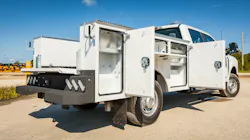
Uptime often depends less on what happens in the shop and more on the decisions made before a truck ever enters service, especially for vocational fleets. From chassis specs and corrosion protection to electrical integration and servicability, upfitting choices directly influence maintenance costs, reliability, and long-term performance.
When fleets prioritize proper upfit engineering from the start, they can reduce downtime, simplify diagnostics, and keep trucks working longer.
 Ring Power
Digital tools protect uptime
As vocational trucks become more complex, digital tools are playing an increasingly critical role in reducing upfit errors, improving integration quality, and making vehicles easier to maintain over their full lifecycle. These tools are reshaping how trucks are specified, built, and serviced, often determining whether uptime is predictable or constantly disrupted.
“Forward‑thinking companies are investing in vehicle configuration tools that make a big difference in accuracy,” said upfitting expert Leyhan Hansen, who puts out an e-newsletter called The Uptime Insider. “These tools help ensure that chassis specifications, equipment layouts, and integration points are correct before production begins. The companies that adopt these tools will move faster and make fewer mistakes. The ones that don’t will keep running into the same problems.”
OEM‑supported digital integration systems are increasingly designed not just to simplify upfitting, but to support maintenance teams long after the vehicle enters service.
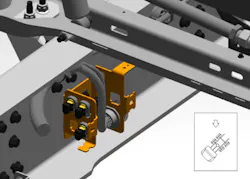
At Mack Trucks, the Mack BodyLink IV system establishes a benchmark for bodybuilder integration on Mack Granite models by delivering
customizable chassis‑to‑body electrical integration through prewiring, programmable switches, and flexible connection points.
According to Tim Wrinkle, Mack vice president of vocational and medium‑duty products, BodyLink IV is designed to make body installation simpler, safer, and faster for body builders and fleet technicians. The system’s features support maintenance by making electrical systems easier to diagnose and service.
For Freightliner Plus and Western Star X‑Series trucks, DTNA supports digital integration through its QuickFit solution powered by CHEC (Custom Hardware and Electronics Configurator). QuickFit connects body equipment directly into the truck’s electrical and pneumatic architecture, reducing opportunities for noise, moisture ingress, and
installation errors.
From a maintenance standpoint, one of the most important benefits is diagnostic clarity. Service teams can use QuickFit interface connectors to identify whether an issue originates on the truck side or the installed equipment side, helping reduce misdiagnosis and unnecessary downtime.
CHEC, the supporting software tool, allows body builders to configure how equipment communicates with factory switches and indicators. By defining this logic digitally rather than through hard‑wired workarounds, CHEC supports more consistent builds and simplifies future troubleshooting.
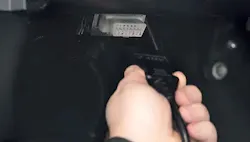
At Ford Pro, digital integration is centered around the Vehicle Integration System 2.0 (VIS 2.0), which replaces physical switches and complex wiring with a digital gateway. VIS 2.0 allows upfitters to program logic directly into the system. For example, logic can be created to prevent a vehicle from shifting into drive when part of the upfit is deployed, reducing safety risks and component damage.”
The Ford Pro Upfitter Portal further supports this ecosystem by providing access to 3D CAD data, technical SVE bulletins, the company’s Body Builder Layout Book (BBLB), and other engineering resources. These tools help ensure that upfits are designed with proper clearances, integration points, and service access from the start.
GM Envolve supports proper upfits through a suite of digital and engineering resources, including its GM Upfitter Integration website. This platform provides access to body builder manuals, bulletins, and current production CAD data.
Tools like the Universal Vehicle Module (UVM) help ensure compatibility between upfitted equipment and the chassis electrical system. By supporting standardized integration, UVM reduces the likelihood of electrical conflicts and long‑term maintenance issues.
At Ring Power, Cole Schreiber, engineering supervisor, explained that digital engineering tools have significantly improved collaboration
with customers.
“Our engineering team develops 3D design models for custom builds, allowing customers to review layouts and confirm specifications before
production begins,” he said. “This upfront visualization helps identify serviceability concerns, clearance issues, and layout conflicts before they become maintenance problems in the field.”
Schreiber added that chassis‑specific programming platforms, such as CHEC and International Diamond Logic, allow auxiliary functions and equipment controls to be integrated directly into the vehicle’s electrical system. This approach reduces reliance on standalone switches and non‑standard wiring, improving both reliability
and diagnostics.
Uptime is built, not repaired
From independent upfit experts to OEMs and equipment suppliers, the message is clear: upfitting decisions directly determine maintenance
outcomes and uptime. Material selection, electrical integration, weight distribution, service access, and digital planning tools all shape how a truck performs throughout its service life.
When fleets treat upfitting as engineering rather than procurement and use the right tools and partners, downtime becomes predictable, maintenance becomes manageable, and uptime becomes a competitive advantage. As Hansen put it, “Uptime is planned. It doesn’t happen by accident.
About the Author
 Seth Skydel
Seth Skydel
Seth Skydel, a veteran industry editor, has more than 41 years of experience in fleet management, trucking, and transportation and logistics publications. Today, in editorial and marketing roles, he writes about fleet, service, and transportation management, vehicle and information technology, and industry trends and issues.