How to choose the right, reliable snowplow
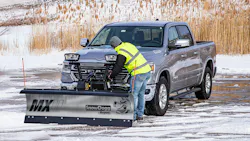
When winter weather arrives, having the right snowplow can make the difference between an efficient operation and a long, difficult day. Whether being used to clear a driveway, parking lot or commercial route, choosing the right plow—and properly preparing it before the first storm—is essential for performance, safety, and long-term durability.
What to consider
The first consideration should be the job the plow needs to do. First, choose the blade for the application and then make sure the truck can carry it. If a truck can only support a small straight blade but is expected to clear a large commercial lot, the operator is already at a disadvantage.
For commercial operators, a commercial-grade plow is the appropriate choice. At minimum, the plow should adequately cover the truck’s wheels, generally about 8 ft. for a 3/4-ton truck and at least 8 ft. 6 in. for a dually 1-ton truck.
Once the application is established, determine which plow is appropriate for the truck. Plow manufacturers provide websites and lookup tools that identify:
- Compatibility with specific truck models
- Maximum plow capacity
- Required ballast (not always)
It’s important not to exceed the truck’s rated capacities. While accessories such as leveling kits can help a truck carry a plow more effectively, they generally cannot increase the vehicle’s front axle weight rating. Exceeding those limits can create safety issues and accelerate wear on the suspension, brakes, and transmission.
Plow configuration also matters. Unless the job requires a narrow blade for tight driveways or drive-through lanes, a wider plow generally provides greater productivity. V-plows are particularly versatile and perform well in deep snow, while their folding wings can make transportation more convenient. Expanding plows can also be useful for large areas where maximum moldboard width is beneficial.
Features that promote durability
A quality, properly maintained commercial plow should provide many seasons of service. Buyers looking for long-term durability should focus on three things: strength, corrosion resistance, and serviceability.

Simple, tough designs with corrosion-resistant materials will usually outlast the truck they are mounted on. Look for thick ribs, solid welds and stainless or polyethylene moldboards. Stainless steel can also help maintain the plow’s appearance by resisting rust and fading.
The hydraulic and electrical systems should be reliable and relatively simple. In demanding winter conditions, simplicity can be an advantage because there are fewer components to troubleshoot or maintain.
Contractor-grade construction, heavy-duty pins, effective trip protection and robust structural components can further improve durability when the application demands it. Just as important is the availability of service parts. A well-designed plow is only useful if replacement parts can be obtained quickly when something goes wrong.
Ease of maintenance should therefore be part of the buying decision. Look for accessible components, straightforward hydraulic and electrical connections, and wear parts that can be replaced without excessive disassembly. A strong local dealer with service parts readily available can be invaluable during the winter season.
Preparing the plow for winter
The best time to inspect a snowplow is before winter arrives. A thorough top-to-bottom inspection while the weather is still warm can identify problems before they become failures during a storm.
Start by checking the blade, cutting edge, mounting hardware, harnesses and hydraulic components. Inspect hoses and fittings for leaks or damage, and examine electrical connections for corrosion, contamination or loose connections. Wiring harnesses should also be checked for damage from rodents or other causes.
Don’t simply inspect the plow while it is sitting in the shop. Mount it to the truck and operate every function. Check the controls, lights and other systems to make sure everything works properly. Intermittent electrical problems can be particularly difficult to spot, so pay attention to flickering lights or inconsistent controller operation.
Some of the most overlooked components are electrical connections, hydraulic hoses and mounting hardware. Cutting edges are another item that should be checked before the season begins. Replacing a worn cutting edge in the shop is far easier than doing it during a storm.
Maintenance during the season
Once the season starts, inspect the plow after every use. Look for loose hardware, leaks, damaged connectors and other obvious problems. If the plow takes a hard impact, for example, from an unexpected manhole cover, stop and inspect it carefully.
Routine maintenance should follow the manufacturer’s recommendations, but regular cleaning and post-use inspections are among the best ways to extend equipment life. Keep electrical connections clean, and periodically check fasteners, hoses and pins to ensure everything remains secure.
Cutting edges and shoes are designed to wear and should be monitored throughout the season. Allowing them to wear too far can result in damage to the moldboard frame and other more expensive components.
Changes in normal operation are often the first indication that service is needed. Unusual noises, uneven movement, hydraulic leaks, loose hardware, intermittent controller operation, diagnostic lights or flickering headlights and marker lamps should not be ignored.
A snowplow is a critical piece of winter equipment, but it isn’t indestructible. Selecting the right plow for the application, matching it properly to the truck and addressing small maintenance issues before they become major failures will help operators stay productive when the snow starts falling.
About the Author
Scott Moorman
Scott Moorman is Director of Snow and Ice at Buyers Products, where he leads the company’s snow and ice business and helps develop solutions for the industry. He has more than 20 years of experience with Buyers Products, previously serving as Director of Engineering and Project Manager, giving him extensive expertise across product development, engineering and industry solutions.