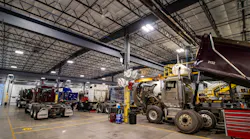
Why maintenance schedules should reflect actual duty cycles
Key Highlights
- Mileage alone may not reflect vehicle wear; engine hours and duty cycles provide important maintenance context.
- Route conditions, elevation, weather, and load can influence maintenance needs and diagnostic decisions.
- Fleets should use manufacturer guidance and consistent operating records to build and review maintenance schedules.

Two service trucks can arrive at the shop with similar mileage and very different maintenance needs. Imagine one covering open highway between appointments while the other spends its day making short trips, stopping frequently and idling at job sites. Their odometers may advance at roughly the same pace, but the engines are spending their time doing different work.
That comparison is a useful starting point for a fleet maintenance conversation. I would want to understand each truck’s assignment, how long it runs, and the conditions it encounters before recommending a schedule. Those details help connect the manufacturer’s guidance with the vehicle’s daily use.
The owner’s manual provides the starting point, including any instructions for severe service or special operating conditions. A fleet can make those instructions more useful by keeping a clear record of what its vehicles actually experience and reviewing whether its maintenance plan fits those conditions.
Define the work each vehicle performs
Severe service can be part of an ordinary workday. Ford’s 2025 Super Duty manual, for example, identifies short trips, temperature extremes, dusty conditions, substantial idling, and heavy loads or towing among severe driving conditions. The applicable instructions still depend on the vehicle and powertrain, so fleets should use the guidance for the equipment they operate.
A useful duty profile begins with a few practical questions. The fleet should understand the distance between stops, the time the engine runs while stationary, and the load the vehicle carries. Sustained grades, unpaved roads and repeated cold starts also belong in that description. Drivers and dispatchers can often supply context that helps explain the maintenance record.
Engine hours add another dimension. A truck providing power or serving as a “mobile office” at a job site can accumulate operating time while adding very little mileage. Recording hours where available gives the maintenance team a clearer picture of use and helps it apply any manufacturer requirements expressed in hours.
Different systems may also experience different demands on the same route. Repeated stops create a different braking pattern from steady highway travel, while dusty roads make air intake inspection particularly relevant. A useful maintenance plan connects each operating condition with the systems it affects and the guidance that applies.
Bring mountain routes and weather into the conversation
For a vehicle working at elevation, the route description should include more than its destination. A sustained climb with a load, a long descent, and a high-elevation stop each give the technician information about the conditions in which a concern occurs.
Elevation can affect available engine performance, and manufacturers may specify adjustments to operating limits. Some Ford towing guidance, for example, calls for a reduction in allowable gross combined weight at higher elevations. The fleet should check the exact requirements for its vehicle and configuration when assigning a route or load.
When a driver reports a concern on a mountain route, I would want the repair order to capture the elevation, ambient temperature, load, and point in the trip when the symptom appeared. Information such as whether the engine was cold, fully warmed up, or under sustained load helps guide testing. A technician can then use the appropriate service information and diagnostic data to evaluate the concern under relevant conditions.
Seasonal changes deserve similar attention. NHTSA notes that gasoline and diesel engines require more battery power to start in cold weather. The Department of Energy (DOE) also explains that cold engine oil and other driveline fluids increase friction. Battery testing, correct fluid specifications, and attention to the manufacturer’s cold-weather instructions belong in preparation for the season.
These conditions call for informed inspection and diagnosis. The vehicle’s measured condition, service history, and manufacturer guidance should determine the next step, including whether a maintenance adjustment is appropriate.
Include stops and idle time in route planning
A route has a maintenance profile even when the vehicle is parked. For operations subject to hours-of-service rules, the location and conditions of a required break can influence engine idle time and the use of auxiliary equipment. Safe, compliant rest remains the priority, while maintenance planning can account for how the equipment is used during that rest.
Keeping records for auxiliary equipment helps the shop understand the full assignment. Equipment-specific guidance should determine maintenance requirements and any operating limits related to temperature or elevation.
Returning to the two hypothetical service trucks, suppose the truck assigned to local jobs logs considerably more engine time between maintenance visits than its highway counterpart. The fleet now has a reason to review whether its present service trigger captures that operating pattern. If the manufacturer specifies an engine-hour limit, that limit needs to be part of the scheduling process.
Route information is useful during diagnosis too. A report that a concern appears after several short stops gives the technician a more specific starting point than mileage alone. Recording when the concern occurs and what the vehicle is doing can help the shop select appropriate tests and verify the result in comparable conditions when safe and practical.
Build a schedule that can be explained and reviewed
Start with the maintenance requirements for the exact model, engine, and installed equipment, including applicable time limits and severe-service provisions. Then group vehicles by similar assignments so their records can be compared meaningfully. A highway service truck and a truck supporting a stationary crew may warrant separate reviews even when they share the same specification.
At each maintenance visit, record the available mileage and hours alongside inspection findings. Consistent descriptions make it easier to see whether a condition is developing on a particular route, across one vehicle group, or after a change in assignment. Drivers’ observations can help connect those findings to what happens between visits.
When the evidence supports a change, document the component or service involved, the reason for the adjustment, and when the fleet will review the result. Changes should remain consistent with manufacturer requirements, warranty obligations, and applicable safety rules. Qualified technical advice can help when the operating conditions extend beyond the guidance available to the fleet.
The review should also consider what happened after the adjustment. The team can compare inspection findings with its expectations, assess how the timing fits the operating pattern, and account for any changes in the vehicle’s job. Those questions keep the schedule tied to the work and give the team a basis for its next decision.
A well-built maintenance plan gives the shop and the fleet a shared understanding of each vehicle’s needs. The manual supplies the requirements, and the operating record helps the team apply them thoughtfully. When both stay connected, fleet managers can schedule service with greater confidence and give their vehicles the care their assignments call for.
About the Author
 Greg Bunch
Greg Bunch is CEO of Aspen Auto Clinic. His automotive career has included work as an ASE-certified master technician, shop foreman, service advisor, store manager and operations manager. He also coaches and consults with auto repair shop owners on building businesses that serve their communities.