Four ways for understaffed shops to improve culture and retention
CHANDLER, Arizona—The technician shortage continues to pressure the heavy-duty repair industry, but shop owners and fleet maintenance leaders say solving the problem requires more than raising wages or posting job ads online. Recruiting and retaining technicians increasingly depends on culture, career development, mentorship, and relationships built long before a candidate applies for a job.
“Hiring technicians today is completely different than what it was 10 years ago,” said Cindy Barlow, director of industry relations for WyoTech.
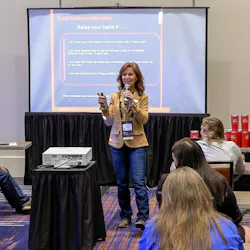
Barlow was one of several speakers and attendees at the Fullbay Diesel Connect conference who discussed the challenges of attracting and retaining technicians. Barlow said many younger workers are looking for work-life balance, opportunities for advancement and employers willing to invest in their future. She noted that incoming diesel techs want “buy-in” from their employers, reducing this to a single question: “Do you think they’re important?’”
Repair shops need to make sure within their walls that answer is “yes” to buck the current understaffing epidemic.
Alex Leslie, senior research associate at the American Transportation Research Institute, said two-thirds of shops were understaffed in 2025, with an average technician vacancy rate of 19.3% and turnover averaging 16.5%.
However, “there was a weak correlation” between wages and vacancy rates. “It’s not explained just by pay. It’s not just a matter of if you throw more money at this problem, it will go away,” Leslie said.
Assuming your shop does offer competitive pay and still has a problem with staffing, it's probably time to look at culture, something several attendees and speakers at Diesel Connect insist provides value. Culture is a broad and esoteric term, but it can be broken into tangible actions—though admittedly can take time to show results. Here are the four areas to focus:
1) Establish a career path
Compensation still matters, of course, but one of the top reasons technicians leave a shop is because they don’t see a long-term career path. “Providing career development opportunities is one of the top ways to improve employee retention,” Barlow said.
As a whole, this is an area where the industry is lacking. According to WrenchWay’s 2026 Voice of the Technician survey, only 32% of diesel techs agreed their shop successfully laid out a career path they can follow, which is three points lower than the previous year.
And there’s nothing that tells a tech they aren’t important or that you haven’t bought in more than ignoring their career plans.
2) Develop school partnerships
For many operators, investing in new technicians starts before students even graduate from high school. Keith McMaster, owner of Fireweed Heavy Truck and Equipment Repairs, said his company recruits students directly from high schools through an apprenticeship-style program that allows students to work while completing training requirements.
“The problem is we’re not bringing them in early enough, partly because not all of our school systems promote it,” he said.
The program McMaster works with allows students to accumulate work hours while still in school, creating a direct pipeline into the shop. McMaster said the approach helps young technicians build confidence and gain hands-on experience early in their careers.
Barlow encouraged operators to become more active in local schools and technical programs.
Donating older components, transmissions or engines can help instructors provide hands-on training while also introducing students to potential employers. “In those programs that have them, there are things that you have that are no good to you that are gold to a teacher,” Barlow said.
Other ways to help include sitting on advisory committees and speaking to classes for career days.
Going back the latest VOT survey, and factoring both auto and commercial repair sectors, 37% of independent shops reported zero school engagement versus 24% for dealerships.

3) Become a modern marketer
Relationships also play a growing role in recruiting. Several operators noted that traditional job postings are no longer enough to attract technicians in a competitive labor market.
Peter Cooper, founder of Ascend Consulting and a shop owner, encouraged shops to consistently promote their culture through social media and community engagement, even when they are not actively hiring.
“When you have a technician that applies, they’re doing their due diligence,” Cooper said. “They’re going on Google, they’re looking at your reviews, they’re looking at your social media, they’re looking at your website.”
Word-of-mouth recruiting remains one of the most effective hiring tools. Jim Bartlebough, CEO of JB Trailer Services, said he relies on existing employees to help identify potential technicians. “The best way to find a tech is to use the techs you already have to find other people,” he said.
When hiring, Baily Madrigal, manager of people development and analytics at Fullbay, said shops should focus on attitude as much as technical ability. “Do your best to assess their attitude, especially in a position where skills can be taught,” he said.
Read Best ways to hire new auto and diesel technicians for more tips on ironing out wrinkles in the hiring process.
Kyle Whitby, manager of people experience at Fullbay, said the company uses the Predictive Index assessment tool to better understand how employees view themselves and interact in the workplace.
Mandy McWilliams, vice president of finance for Bascom Truck and Auto, said she uses JOBehaviors assessments to evaluate how likely technicians are to succeed and remain satisfied in diesel technician roles. “It hasn’t proven incredibly helpful for students within trade schools, but with existing techs it very helpful,” she said.
Robert Gaines, owner of STLF Diesel Repair, said he has found that assessments can also reinforce company culture. “We find new techs like that because they know you care about the culture and that you care that they fit there,” he said. “You can use it to figure out who you might mesh with.”
There are also products available, like Technician Find's Shop Owner’s AI Toolbox, designed to help shops recruit, hire, and retain technicians.
4) Build up your mentorship program
Once technicians are hired, retention often depends on onboarding and workplace culture. “Onboarding is where you set the culture,” Whitby said. “This is where you establish what matters to you and your shop.”
Whitby recommended handling administrative paperwork before a technician’s first day, introducing new employees personally to coworkers and assigning a mentor or go-to trainer early in the process. “Changing jobs is scary,” Whitby said. “Introducing them around to other employees will help alleviate that.”
ATRI’s research found mentorship plays a critical role in helping inexperienced technicians transition into the industry. Nearly 62% of first-time technicians enter shops without formal training, and on-the-job training costs employers an average of 357 hours and more than $8,200 in trainee wages.
“Mentorship is one of the really valuable bridges,” Leslie said. “It helps new techs come in and break that divide between your veteran folks and your newcomers.”
Operators said culture is one of the industry’s biggest retention factors. Ashley Sowell, CEO and co-founder of Integrity Fleet Services, said retention increasingly depends on how employees are treated.
“If you don’t have good culture and good leadership and good processes, it doesn’t matter what you do,” Sowell said. “It’s not even about money anymore. It’s about the culture. It’s about treating people as humans.”
Sowell said her company asks employees detailed onboarding questions about how they prefer to receive feedback, what makes them feel valued and what career goals they want to pursue. The company also supports employees pursuing additional certifications and technical training.
“We want them to feel bought in,” Sowell said. “We want them to stay. We want them to have a career.”
To learn more about mentorship, read this guide on how to start a technician mentoring and shadowing program.
Benefits of buy-in
Operators also emphasized the importance of clear communication and accountability. Brenden Payson, vice president of people experience at Fullbay, said employees need a clear understanding of both current expectations and future opportunities.
“Showing the path forward, defining what success looks like in your current role and what it looks like in your future role” is critical to retention, Payson said.
That focus can also reduce costly turnover. Fullbay cited estimates that technician turnover can cost employers between 50% and 150% of an employee’s annual salary once recruiting, training and lost productivity are considered.
Leslie said shops can improve retention by recruiting technicians whose priorities align with the shop’s culture, workload and work environment.
“If you can get the right folks in the door to begin with—people who are already aligned with your culture, your workload and the kind of work you already do—if you can bet on that recruitment, it is worth it to get them trained,” Leslie said.
Barlow said younger technicians want opportunities to grow and contribute, but they also want employers who are willing to guide them. “They want to belong,” she said. “They want to know that you care. They want to come in and be a part of your culture and have the opportunity to grow in your shop.”
According to Barlow, building relationships with schools, developing mentorship programs, and creating a culture where technicians feel respected may ultimately determine which shops succeed in attracting the next generation of workers.