Spring brake and air system tech tips from Bendix
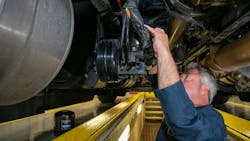
As winter nears its end, fleets must once again evaluate the damage done to vehicle components by the cold, harsh conditions of winter. Brake and air systems are particularly exposed, and Bendix has offered some preventive maintenance and inspection tips to ensure fleets' and owner-operators' equipment is ready for spring and summer.
Brake systems
The wheel-end is sprayed with abrasive road chemicals and bombarded by chunks of broken asphalt and other debris while enduring huge temperature swings traveling across the country. As with any walk-around inspection, maintenance personnel should look for corrosion, damage, and even missing components. A post-winter inspection should also focus on brake components, including the friction, chambers, and slack adjusters.
“Corrosion, contamination, and loss of lubrication can all affect brake performance, even when components appear intact,” explained Richard Conklin, Bendix director of engineering, wheel end.
Read more: Tractor-trailer corrosion prevention tips
On brake friction, look for:
- Cracks
- Missing material
- Contamination from oil or grease
- Minimum thickness
If it’s time for a new pad or shoe, Bendix advises ensuring the replacements meet OEM specifications, reduced stopping distance requirements, and copper-content guidelines. And replace the friction on the other side of the axle, as well, to ensure balanced braking and vehicle stability.
For brake chambers:
- Verify dust plugs are properly seated and free of damage
- Measure chamber stroke at each wheel-end to verify proper adjustment
While inspecting air lines:
- Ensure they are securely fastened
- Free of chafing
- Mounting mechanism shows no signs of wear
“Lubrication is another critical post-winter step,” Conklin said. “Moisture left behind from cold-weather operation can contribute to corrosion in slack adjusters, cam tubes, shafts, and bushings. Applying fresh grease helps displace residual moisture and keep brake operation smooth.”
He noted that air disc brakes require their own inspection steps:
- Check the rotor cooling fins for clogs, which can prevent the rotor from cooling properly.
- Inspect chamber for damage or corrosion
- Confirm air hoses and clamping mechanism are intact
“Because any opening into the caliper can lead to corrosion, we advise technicians to inspect the boots for punctures or tears, too,” Conklin said. “At the same time, check the integrity of the guide pins. Where necessary, replace parts, and make sure the shear adapter cover is in place and fully seated."
Conklin added the pads should move freely in the carrier and the brakes freely on the guidance system. The pads may need to first be removed and the surface cleaned with a wire brush.
Inspecting air system
Air systems must provide clean, dry compressed air not only for reliable braking, but also for Automated Manual Transmissions (AMTs), emissions controls, and stability systems, explained Tony Fischbach, air treatment product group director at Bendix.
“Winter exposure can accelerate expected corrosion and material fatigue across air system components like air dryers, air tanks, and valve seals, making spring a critical inspection window,” he added.
First, look at air dryers mounted on the frame rail. Their location makes them more susceptible to corrosion. Pay close attention to the seats around the purge and pressure protection valves, and the governor connection. Bendix pointed out that moisture mixed with dirt, sand, and road chemicals may form residue that interferes with valves and other dryer parts.
Also, corrosion or pinhole leaks in steel air tanks can lead to unexpected pressure loss.
Check maintenance logs to verify when the air dryer cartridge or the purge valve was replaced. If it was not done last fall, swap them in the spring. If pressure protection valves are serviceable, maintain those as well, and follow fleet guidelines for oil-coalescing air dryer cartridge models if required by your application, replacing like-for-like.
“During inspections, keep an eye out for cracking or breakage of plastic air-line tubing that connects the dryer to the truck’s air system,” Fischbach said. “Chemicals and temperature cycling can also affect push-to-connect air fittings.”
Bendix also reminds that air system leaks might not be seen or heard. These can also be detected by slower system pressurization or more frequent charging cycles. Extra charging cycles also put more demand on the air dryer and can shorten cartridge life.
Maintaining brake valves
Valves are also key to optimizing air-powered brake performance and responsiveness, as they regulate pressure. They must be well-lubricated to do this, and de-icing agents can degrade that ability.
“Valve-related issues often develop gradually,” said Brian Screeton, Bendix manager – technical training and service. “Spring inspections give technicians a chance to catch early signs of corrosion-related sticking before they turn into performance complaints.”
Bendix also encourages fleets to avoid brake anti-freeze/de-icing compounds, as they can wash away internal lubrication. This is not always possible due to safety and uptime constraints, but when they are used, maintenance teams should watch for their impact on the valves.
Check for:
- External air leaks,
- Stiff movement
- Uneven airflow
Testing valve function under operating pressure helps confirm proper performance.
Screeton said it’s a common fleet practice to replace valves that demonstrate internal sticking as part of a post-winter PM.
For further guidance on pneumatic balance tests to check the relay valves, refer to: Bendix Technical Bulletin Air Pressure Balance and Threshold Pressure Tests (BW1555). It’s available online in the Document Library at B2Bendix.com.