Tech tips: Maintaining ADAS systems
Key Highlights
- Maintain ABS, ESC, radar, and cameras to keep truck ADAS operating as designed.
- Calibrate sensors after repairs or alignments to prevent ADAS faults and downtime.
- Train technicians and drivers to identify ADAS issues and respond to system alerts.
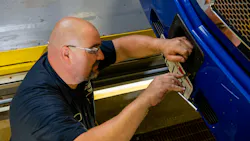
Adoption rates for advanced driver assistance system (ADAS) technologies, such as Forward Collision Warning (FCW), Automatic Emergency Braking (AEB), and Blind Spot Monitoring (BSM), continue to rise as more fleets understand how effective they can be in preventing accidents.
For example, a study by the U.S. Department of Transportation (DOT)—using data from 2017 and 2019 related to Class 8 trucks—found that FCW lowered police-reportable crashes by 22% and rear-end crash rates by 44% per vehicle miles traveled. And when collisions occurred, AEB and FCW enabled the truck to cut its speed by half between intervention and impact, greatly reducing the severity.
Note that ADAS technology and education have greatly improved in the past seven years, so those reductions are likely higher now. But even with better sensors, software, and driver training, ADAS works most effectively when also properly maintained. A misaligned camera or frayed wire obviously will prevent the system from detecting objects as it should, but glitchy sensors can also frustrate drivers and affect acceptance rates.
These systems must be properly maintained to operate most effectively. A major risk of improperly maintained systems is they will be unavailable or not perform to their fullest capacity. Driver frustration can also result when a system doesn’t operate to expectations, which can hamper acceptance of the technology, according to Bendix.
Because of that, the provider of vehicle steering, braking, and safety systems has shared guidance on maintaining specific safety components, including antilock braking and stability systems, radar, cameras, and electronic control modules.