Best of 2025: Top maintenance and repair stories

As regulatory demands and economic pressure continued to shape fleet operations throughout 2025, the hard work happening inside the maintenance bay has become more critical than ever. Between preventive inspections and day-to-day repair, technicians are responsible for keeping equipment safe, compliant, and on the road. The processes and habits formed in the shop directly impact uptime, safety, and overall fleet performance.
The stories gathered below represent some of Fleet Maintenance’s best In the Bay coverage from the past year, taking a closer look at real-world shop practices and the maintenance details that can make the difference between a successful service and a costly failure.
Inspection Perfection
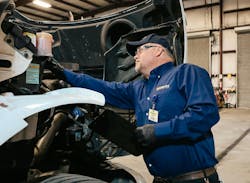
For all the things that change in the vehicle repair industry, one thing will always remain the same: the need for routine inspections and preventive maintenance. These intervals vary for different systems and components, and annual inspections are federally required for the braking systems, lighting, steering and suspension and much more.
In this series, we cover the basics of annual PMs and inspections and offer tips from several highly successful shop leaders, including:
How to get the most value out of annual PMs

As vehicle systems grow more complex and quality diagnostic talent becomes harder to find, technical support from outside the shop has become an essential way to streamline diagnostics. This story outlines how OEMs and tool providers can help technicians resolve difficult diagnostic issues faster, reducing downtime and preventing unnecessary replacement of parts. It highlights a realistic solution many fleets are already relying on to keep trucks moving.

Lighting violations remain one of the most common but preventable reasons vehicles are placed out of service during roadside inspections. Because lighting systems incorporate wiring, connectors, and increasingly complex electronic controls, even small faults can lead to unnecessary downtime. By breaking down failure points and diagnostic best practices, this feature delivers actionable guidance technicians can apply immediately to keep the lights on.
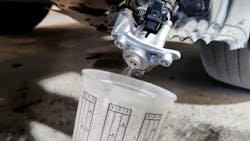
DEF-related issues tend to snowball into major aftertreatment failures and costly downtime if they go unchecked. This story gives a clear breakdown of why DEF quality matters and what storage and handling practices prevent contamination in the first place. As emissions systems become more sensitive, routine DEF testing is an increasingly critical step in protecting components and maintaining compliance.
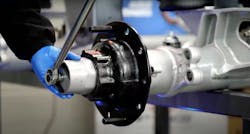
This feature walks technicians through STEMCO’s seven-step approach to wheel seal and bearing service, based on TMC Recommended Practices. From inspection and disassembly to seal installation and final checks, the story emphasizes precision and cleanliness to help fleets prevent premature failures and extend component life.