How to choose the right parts washer for your shop
Key Highlights
- Proper cleaning of truck parts is essential for accurate inspection, effective repairs, and preventing damage from residual contamination.
- Automatic aqueous washers offer faster, more consistent cleaning compared to manual methods, reducing technician labor and improving productivity.
- Choosing the right washer involves matching machine capacity and features to the shop’s parts size, volume, and contamination types, with test washes recommended before purchase.
- Detergent selection should consider material compatibility, contamination type, and washer type, with proper handling to ensure safety and effectiveness.
- Aqueous cleaning systems are environmentally safer than solvent-based methods, but require proper waste management and adherence to disposal regulations.
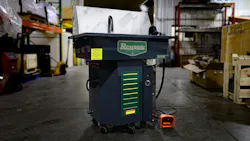
Commercial trucks operate under demanding conditions. Engine oil, grease, soot, road salt, mud, coolant, and metal particles build up over thousands of miles. Heat can bake that contamination onto engine, transmission, axle, and wheel-end components.
Cleaning these parts is not about appearance. A clean component is easier to inspect, measure, repair, and reassemble correctly.
Renegade Parts Washers is celebrating 30 years of manufacturing parts-cleaning equipment in 2026. During that time, one lesson has remained consistent: Start with the parts and the repair process—not the machine.
The right washer fits what the shop cleans, what must be removed, how often it cleans, and what needs to happen to the part next.
What commercial vehicle parts need cleaning?
Truck shops clean parts from nearly every major system, including:
- Engine blocks, cylinder heads, oil pans, and valve covers
- Transmission cases, gears, differentials, and driveline components
- Wheel hubs, bearings, seals, and axle ends
- Brake drums, calipers, S-cams, and related hardware
- Steering and suspension parts
- Hydraulic pumps, cylinders, valves, and PTO components
- Cooling and aftertreatment components
These parts may be made from cast iron, steel, aluminum, brass, rubber, plastics, and composites.
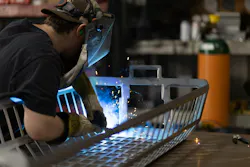
Oil, coolant, and hydraulic fluid can leak past seals and gaskets. Soot, carbon, and metal particles mix with those fluids to form sludge. Road salt, mud, and dust collect on external surfaces and inside crevices. Vocational trucks may also encounter concrete, asphalt, chemicals or agricultural waste.
This buildup can hide cracks, corrosion, scoring, worn surfaces, and damaged threads. Residue on a gasket surface or inside a seal groove can prevent the new seal from seating properly. Remaining grit may also damage new bearings, seals, and filters after reassembly.
Wheel-end contamination can be especially serious. A leaking seal may allow oil or grease to reach brake components, affecting braking performance and potentially creating an out-of-service condition.
Cleaning gives the technician a clear surface to inspect and helps keep old contamination out of the finished repair.
Not every part belongs in a heated aqueous washer. Electronics, sensors, friction materials, and heat- or water-sensitive components should be evaluated first. Follow the component manufacturer’s cleaning instructions.
Why not use degreaser, a rag, and a brush?
Manual cleaning works for occasional small jobs. It becomes less practical when a shop regularly cleans large, complex, or heavily contaminated parts.
The main issue is labor. A skilled technician may spend considerable time spraying, scrubbing, repositioning, and rinsing a transmission case, engine component, or axle housing. That is time not spent diagnosing or repairing vehicles.
Manual cleaning can also miss contamination inside:
- Oil galleries
- Blind holes
- Threads
- Internal passages
- Deep recesses
- Irregular cast surfaces
A part may appear clean while dirt remains in an area that matters during inspection or reassembly. Aggressive wire brushing can also damage aluminum, machined surfaces, and sealing areas.
An automatic aqueous washer creates a controlled process. The technician loads the part, starts the cycle, and returns to productive work. Heated water, detergent, spray pressure, and cycle time provide a repeatable result inside an enclosed cabinet.
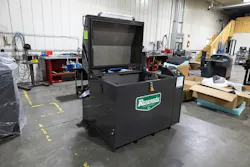
The advantage is not only faster cleaning. It is reducing the technician’s hands-on time.
Why not replace the part?
Replacement makes sense when a component is damaged or no longer serviceable. Dirt alone does not show whether replacement is necessary.
Many commercial vehicle components are designed to be cleaned, inspected, and rebuilt. Engine parts, transmission cases, axle housings, gears, and hydraulic components may still have useful service life.
They must be clean before a technician can make that decision.
Replacing every dirty component can raise parts costs and increase downtime, especially when a replacement must be ordered. Cleaning and inspecting reusable parts can help control maintenance costs and return trucks to service sooner.
Even when the main component will be replaced, housings, mating surfaces, brackets, and hardware may still require cleaning.
Diagnostic tools identify the problem. A parts washer helps the technician inspect the component, complete the repair, and avoid introducing old contamination into the rebuilt assembly.
How do I know whether the return on investment makes sense?
A parts washer can be a significant investment, especially when shops are also buying scan tools, software, lifts, and other equipment.
Evaluate the washer against the full cost of the current cleaning process.
- Technician hours spent cleaning
- Degreaser, solvent, aerosol, rag, and brush purchases
- Solvent service and waste-disposal costs
- Cleaning sent to outside vendors
- Repairs delayed while parts are cleaned
- Rework related to remaining contamination
- Reusable parts replaced because cleaning takes too long
Labor is often the highest cost. If several technicians spend a few hours each week cleaning parts, the annual expense can become substantial. An automatic washer reduces the hands-on work to loading, unloading, and maintenance.
A basic calculation is:
Installed washer cost ÷ estimated monthly net savings = estimated payback period
Savings may include recovered technician time, reduced chemical use, lower outsourced-cleaning costs, and disposal savings. Subtract the cost of detergent, filters, utilities, and maintenance.
Use conservative numbers. The goal is to understand what the current cleaning process actually costs.
A shop cleaning only a few parts each week may need a manual station or compact washer. A fleet, dealership, or repair operation cleaning parts daily may see a stronger return from an automatic machine.
What type of washer should a truck shop buy?
Match the machine to the parts, contamination, volume, and workflow. A washer that is too small creates a bottleneck. One that is too large adds unnecessary cost and operating expense.
Manual aqueous washers
Manual systems use a flow-through brush or directed spray. They work well for occasional cleaning, small parts, and touch-up work.
They cost less initially, but the technician remains involved throughout the process.
Automatic top-load washers
Top-load spray cabinets are used for small and midsize parts. Components are placed in a basket or on a turntable, and the machine completes a timed cycle.
They can clean hubs, gears, brackets, housings, and batches of smaller truck parts.
Automatic front-load washers
Front-load machines are designed for large, tall, or heavy components. Parts can often be loaded with a forklift, hoist, or crane.
They are commonly used for engine blocks, transmission cases, axle components, and other parts that should not be lifted by hand.
What should the shop know before requesting a quote?
Document:
- Largest part dimensions
- Heaviest expected load
- Parts cleaned per day or week
- Part materials
- Types of contamination
- Internal passages or difficult surfaces
- Required cleanliness
- Rinsing and drying needs
- Available floor space and utilities
- Loading method
- Expected growth
Part size alone does not determine the right washer. The machine must also provide enough spray pressure, heat, and pump capacity to remove the contamination.
A test wash can help confirm that the process reaches critical areas and produces the required result.
The goal is to buy enough machine for the work without paying for capacity the shop will not use.
How do I choose the right detergent?
Detergent selection depends on:
- The contamination being removed
- The materials being cleaned
- The type of washer being used
Truck parts may carry engine oil, heavy grease, gear lubricant, coolant, soot, carbon, road salt, and gasket residue.
Automatic spray washers generally need a low-foaming detergent. A detergent designed for manual use may create excessive foam inside the cabinet.
Metal compatibility also matters. A strong alkaline detergent may work well on steel and cast iron but discolor or damage aluminum, brass, or zinc. Mixed-metal loads need a compatible formula. Bare steel and cast iron may also need temporary rust protection after washing.
Other considerations include temperature, water hardness, detergent concentration, rinsing requirements, and what happens to the part after cleaning.
More detergent is not always better. Too much can increase residue and increase operating costs.
Follow the detergent manufacturer’s instructions, review the Safety Data Sheet, and test the chemistry when compatibility is uncertain.
How is aqueous cleaning different from solvent cleaning?
Traditional parts cleaning often uses petroleum-based or chlorinated solvents. These products can remove grease, but they may also create fumes, skin exposure, volatile organic compound emissions, flammability concerns, and stricter storage and disposal requirements.
Aqueous cleaning uses water as the primary cleaning medium. Detergent, heat, spray pressure, and time remove the contamination.
For many truck applications, an enclosed aqueous washer offers:
- Less direct chemical contact
- Fewer solvent vapors and odors
- Lower fire risk than many petroleum solvents
- Lower disposal costs
- A contained cleaning process
- Longer solution life through filtration
- Less dependence on aerosol cleaners and disposable rags
Aqueous does not mean harmless. Technicians must still follow the Safety Data Sheet, wear appropriate personal protective equipment, and handle the detergent correctly.
The used solution must also be managed based on what it removes from the parts. A water-based detergent may begin as nonhazardous but collect oil, fuel residue, metals, paint, rust, and other contaminants.
“Water-based” or “biodegradable” does not mean the spent solution can automatically go down the drain.
Where do the oil, dirt, and metal particles go?
A properly equipped aqueous washer separates contaminants from the recirculating solution.
Depending on the system:
- Heavy particles settle in the sump
- Screens collect larger debris
- Filters capture smaller particles
- Oil skimmers remove floating oil
- Separation systems remove additional free oil
- Sludge-removal equipment collects heavy deposits
These features extend solution life and reduce how often the tank must be changed. They do not eliminate the waste.
Used filters, sludge, skimmed oil, and spent solution must still be evaluated and handled correctly. Requirements depend on what was cleaned and which contaminants entered the machine.
Spent solution should never be emptied into a storm drain, onto the ground, or into a septic system.
A local wastewater authority may allow properly treated or characterized wastewater into a sanitary sewer, but approval should be obtained first. Limits may apply to oil, metals, pH, and other contaminants.
When discharge is not allowed, a qualified industrial or hazardous-waste provider may be required.
Good shop practices include:
- Keeping brake cleaners and solvents out of the aqueous tank
- Maintaining filters and oil skimmers
- Changing the solution only when necessary
- Characterizing waste when required
- Following local disposal rules
- Keeping waste-management records
Aqueous cleaning can reduce many worker-safety, fire, and environmental concerns associated with harsh solvents. It still requires responsible detergent use and waste handling.
Keeping trucks—and the shop—moving
After 30 years of building parts washers, Renegade Parts Washers' advice remains simple.
Start with the parts. Understand the contamination. Calculate how much technician time the current process requires. Determine how clean the components need to be. Then choose the simplest system that can produce that result consistently.
A parts washer does not replace the technician or the diagnostic equipment. It removes a repetitive step, provides a cleaner component to inspect, and allows technicians to spend more time repairing vehicles.
Clean the part. See the problem. Complete the repair. Keep the truck moving.