How to clean, restore, and repair fleet maintenance tools
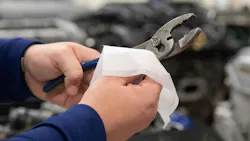
Regular tool cleaning and maintenance can help prevent corrosion, remove contamination, and extend the life of equipment used every day in fleet maintenance. But some tools eventually require more than a quick wipe-down. Heavy use, harsh environments, and accumulated wear can lead to the need for deeper cleaning, restoration, repair, or replacement.
Here's what technicians and fleet managers should know about maintaining tools, restoring worn equipment, and deciding when a tool is no longer worth repairing.
How to clean and protect hand tools
A typical cleaning process includes disassembling tools into components, removing loose dirt and grime with a brush, soaking tools in warm water and cleaning solution, scrubbing hard-to-reach areas, rinsing with clean water, and thoroughly drying before storage.
A structured approach begins with routine maintenance that includes:
- Daily wipe-downs: The first step is removing grease and contaminants before they have a chance to build up. A clean shop rag lightly sprayed with a fast-acting solvent can strip away grease and residue. For stubborn buildup, tools can be soaked in hot water mixed with dish soap for 10 to 15 minutes. The soap helps break down oils and loosen contamination before scrubbing.
- Deep cleaning: Once loosened, dirt and grime can be removed using a stiff nylon or wire brush to reach crevices, gears, and hard-to-access areas. For heavily contaminated tools, ultrasonic cleaners or tumblers filled with water-based degreasers can remove accumulated grime. When cleaning tools with comfort-grip or plastic handles, harsh solvents and acetone should be avoided because they can damage rubber and plastic components. Instead, wipes or a damp cloth provide safer alternatives.
- Rust removal and restoration: Rust removal typically begins with soaking heavily rusted tools in a vinegar-and-baking soda solution or a specialized rust-dissolving product. After soaking, softened rust can be removed using steel wool, abrasive pads, or a wire wheel. Chrome sockets and wrenches can then be polished to create a protective, rust-resistant finish while helping fill microscopic scratches.
- Drying and protection: Moisture is the biggest contributor to corrosion. After cleaning, tools should be dried thoroughly using clean towels and compressed air to remove water from joints and moving components. Ratchets, pliers, and vice grips should be lubricated before storage using light mineral oil, engine oil, or a spray to help repel moisture and maintain smooth operation.
Choosing cleaning products is a matter of preference and needs. There are several types that can be effective:
- Solvent-based cleaners such as acetone, mineral spirits, and denatured alcohol are commonly used for heavy grease and grime.
- Water-based and solvent-based degreasers help break down stubborn residues.
- Citrus-based cleaners provide an environmentally friendly alternative with strong degreasing properties.
- Even simple soap and water can be highly effective.
Common off-the-shelf products include Simple Green All-Purpose Cleaner, GUNK Engine Degreaser, WD-40, and Krud Kutter Heavy Duty Cleaner & Degreaser, PB B’laster, Big Wipes, CorrosionX, Oil Eater, and Tub O’ Towels.
Lubrication remains the primary defense against corrosion. Shops often use rust inhibitor sprays, silicone sprays, or mechanic’s wax.
Tool teardown and repair
Because mobile techs are limited in tool storage space and the environment is generally harsher than indoors, regular inspection and occasional tool teardown become more important.
From hot asphalt to snow-covered lots, these tools are routinely exposed to conditions that accelerate wear and tear, and more extensive cleaning or repairs may occasionally be required.
“When a more complicated repair or tear down on tools is needed, outsourcing to the manufacturer or experts like Snap-on and Matco Tools are good options,” offered Christopher Boyce, regional VP for Coltrain Onsite Fleet Care, a mobile maintenance company.
Based on the shop, that tear down or repair could be handled via tool truck support, manufacturer repair programs, third-party calibration providers, or local shops that provide tool repair services, added Gerry Mead, VP of truck service at TravelCenters of America and former technician.
He also said that major tool vendors offer repair support, warranty exchanges, and torque wrench calibration services, but shop needs and cost should also be factored in.
“Restoration decisions should come down to safety, accuracy, replacement cost, and downtime impact,” Mead explained. “Some tools are cheaper to replace, while others, especially precision tools, are worth maintaining properly for the long term.”
No matter the method or the product, cleaning tools after each use and especially during heavy-duty work helps extend their life and maintains performance.
About the Author
 Seth Skydel
Seth Skydel
Seth Skydel, a veteran industry editor, has more than 41 years of experience in fleet management, trucking, and transportation and logistics publications. Today, in editorial and marketing roles, he writes about fleet, service, and transportation management, vehicle and information technology, and industry trends and issues.