BeyondTrucks adds real-time trailer yard management to AI dispatch platform
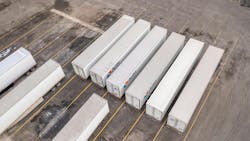
BeyondTrucks has launched a Trailer Yard Module designed to give private and specialized fleets real-time visibility into trailer location and status, with the goal of improving utilization and reducing dispatch errors.
Introduced at the Truckload Carrier Association’s annual convention, the module integrates into the BeyondTrucks AI-powered dispatch platform. It aggregates data from dispatch systems, trailer tracking technology, and physical yard checks to provide a clearer view of where trailers are located and whether they are ready for a specific load.
Closing visibility gaps in the yard
According to the company, many existing transportation management systems (TMS) and yard tools rely on last-known dispatch data or separate tracking systems, often requiring yard personnel to manually reconcile discrepancies. That can lead to mismatches between a trailer’s recorded and actual status, slowing dispatch decisions and increasing labor.
The Trailer Yard Module compares last dispatched locations, tracked GPS data, and yard check inputs, alerting dispatchers and yard teams to inconsistencies. It also captures granular trailer status updates—such as readiness, maintenance needs, or wash requirements—directly from drivers or yard personnel.
Integrated workflows for drivers and dispatch
The system links yard activities, including preloading, repositioning, washing, and maintenance, into driver and dispatcher workflows. Compatibility checks and alerts are designed to help prevent incorrect trailer assignments before a driver leaves the yard.
For fleets using BeyondTrucks’ optimization tools, real-time trailer location, availability, and condition data feed directly into load planning algorithms. The company says this enables dispatchers to make faster, more informed decisions while balancing service levels and operating costs.
The module is available as part of the BeyondTrucks platform. Fleets without a dedicated yard management system can use it as a core visibility tool, while those with existing solutions can integrate it to enhance dispatch planning and back-office coordination.
For private and specialty fleets with significant capital tied up in trailers, the added visibility is aimed at increasing asset utilization while reducing manual yard checks and dispatch inefficiencies.