BeyondTrucks and VLC integrate compliance data into dispatch
Key Highlights
- Dispatchers can access driver qualification data during load planning to support compliance decisions.
- Equipment registration, maintenance, and compliance data can be reviewed during dispatch assignments.
- The integration creates a record of compliance checks before drivers and vehicles are assigned loads.
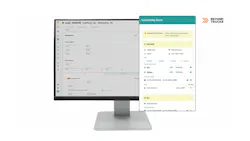
BeyondTrucks and Vehicle Licensing Consultants (VLC) have partnered to integrate driver, equipment, and compliance information into the BeyondTrucks dispatch workflow.
The integration connects BeyondTrucks’ AI-powered dispatch planning platform with VLC’s DQM Connect driver qualification management platform and GW Connect equipment compliance platform. The companies said the integration is intended to give dispatchers greater visibility into driver and equipment status before assigning loads.
The partnership comes as carriers face increased liability exposure related to driver management and dispatch decisions.
"The recent $604 million jury verdict against C.H. Robinson and a motor carrier, in a case in which driver data and the failure of the carrier and broker to act upon them were central issues, is a wake-up call for the industry," said Hans Galland, CEO of BeyondTrucks. "While the verdict will be appealed, it underscores a growing challenge across the freight ecosystem that checking a carrier, driver, or vehicle only at onboarding may not be enough when safety and credential information can change over time."
Through the integration, dispatchers can access driver qualification and credential information from DQM Connect during load planning, as well as equipment registration, maintenance, and compliance information from GW Connect during the dispatch assignment process.
The companies said the workflow can help fleets reduce reliance on spreadsheets, email, manual status checks, and disconnected safety platforms while improving coordination among dispatch, safety, maintenance, and compliance teams.
The integration also creates a more consistent record of compliance checks performed before a driver and vehicle are assigned to a load.
"Fleets need information and automated workflows that keep qualification and equipment status visible to the people making day-to-day dispatch decisions," Galland continued. "Safety and compliance data deliver the most value when they are part of the standard operating process."
The companies said the integration is intended to support fleet compliance and operational decision-making but does not replace legal obligations, carrier-vetting procedures, safety policies, or professional advice.