Detroit opens ordering for Gen 6 DD13 and DD15 engines
Key Highlights
- Detroit Gen 6 DD13 and DD15 orders open September 1 ahead of EPA 2027 emissions rules.
- About 75% of Gen 6 core components carry over from the previous engine generation.
- Testing covered extreme conditions and more than 8 million real-world miles ahead of EPA 2027.
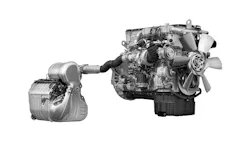
Daimler Truck North America (DTNA) is opening orders for its next-generation Detroit heavy-duty engines, with customers able to begin spec'ing Gen 6 DD13 and DD15 engines in Freightliner and Western Star trucks starting September 1.
The Gen 6 platform is designed to meet EPA 2027 emissions requirements while retaining much of the architecture and technology fleets are already familiar with. About 75% of the engine's core components carry over from the previous generation.
“Customers don't want to choose between proven performance and future-ready technology. With the Detroit Gen 6 engine platform, they don’t have to,” said David Carson, senior vice president, sales and marketing, Daimler Truck North America. “We’ve built on the foundation customers already know and trust while introducing targeted improvements that make the transition to EPA 2027 straightforward.”
Detroit said the heavy-duty engine platform, first introduced in 2007, has accumulated more than 1.2 million engines in on-highway and vocational applications. The company has continued to update the platform as emissions requirements have become more stringent.
For Gen 6, Detroit has made changes to both the engine and aftertreatment system. A redesigned fuel system uses a simplified architecture intended to provide more consistent fuel flow while maintaining fuel pressure for efficient operation.
The aftertreatment system uses a pre-SCR system based on familiar selective catalytic reduction technology, combined with an integrated thermal management strategy designed to bring the system to operating temperature more quickly. Detroit said the changes are intended to reduce parked regenerations and improve operating efficiency.
The system is also designed to minimize changes for vocational applications. The aftertreatment system fits within existing chassis space without adding back-of-cab requirements, allowing body builders and equipment manufacturers to continue using existing integration approaches.
Detroit subjected the Gen 6 platform to three years of testing across extreme temperatures, high-altitude environments, and extended idling conditions. The engines also accumulated more than 8 million miles of real-world validation ahead of the EPA 2027 rollout.