Best of 2025: Top equipment stories
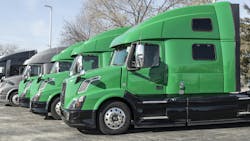
As tariffs and an ongoing freight recession continued to plague the transportation industry throughout 2025, the assets fleets drive and repair are more important than ever. This is especially true as fleets decide which vehicles they want to keep on the road, and how to keep both their working vehicles and those they may decide to sideline in fighting shape. To help do that, our ‘Equipment’ features often cover new technology fleets may be considering and the finer maintenance points on the assets they already have.
The stories below include some of our best Equipment features from 2025. They cover everything from how to evaluate equipment at auction, evaluating damage and wear on vehicles, and highlighting equipment trends in the industry today.



Technicians and drivers must always keep a sharp eye out for rust and corrosion, or else risk increased downtime and repair costs. While regular washing is great to help keep trucks in good condition, wax or ceramic coatings are even better.
“Use anti-corrosion sprays or treatments on vulnerable areas such as the undercarriage and wheel wells,” said Scot Reeder, senior product manager at STEMCO. “You can also apply rust inhibitors to metal parts to prevent rust formation.”
More options for protective coatings include Cortec’s CorrBarrier, VpCL-398, and Armor Protective Packing’s Dry Coat Rust Preventative. All of these items dry quickly, which can help avoid flash rust during and shortly after washing.
For more details on protecting your tractors and trailers from rust, check this story out HERE.

This series takes readers on an adventure to the wild west of equipment auctions, with this story in particular examining how fleets can engage with both virtual and in-person sales. But of course, an important part of auctions is knowing how to judge a vehicle’s condition, even remotely via a third-party inspector.
Oftentimes, auctioneers can help by providing inspection and maintenance reports. With those in hand, it’s up to bidders to decide if they can handle the repairs a used truck might need. For example, a white 2019 Freightliner Cascadia sleeper at Penske Auctions needed a jump before starting up and had two oil leaks, plus worn tires and a bit of scuffing. However, the DD15 and D12 transmissions weren’t in bad shape.
Would you have bid on the Cascadia? Check out the story HERE for more details on how to leverage equipment auctions to your advantage.
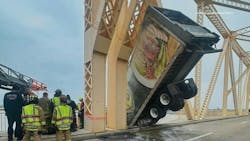
The fifth wheel and kingpin are fairly simple parts, the mechanical bridge linking the tractor and trailer. But don't overlook how important it is for these parts to be high quality and well maintained. In one instance, that kept Sydney Thomas, a Sysco driver, from falling off a bridge and into the river below.
In this feature, we detail how that happened and the best practices for spec'ing and maintaining your fifth wheels and kingpins. Because you never know what type of heroic feats you'll need your compinents to perform every day.
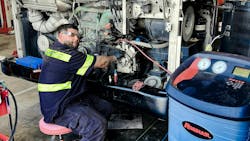
While aftertreatment systems have improved since 2019, they’re still often listed as one of the most challenging components to work on, according to Noregon’s 2025 “Unpacking the Commercial Vehicle Diagnostics Industry” report. This means that fleets have their work cut out for them on these systems, but it’s a challenge they must know how to deal with.
“Knowing how to properly diagnose and repair these systems is critical given how easily they can reduce an engine’s power output or shut it down entirely,” explained Jason Hedman, product manager at Noregon.
For technicians, an important starting place means understanding how the aftertreatment’s pumps, wires, and valves all work together. If you’re looking for more details on improving your shop’s aftertreatment work, this article can help you out.

While emissions systems are by no means the easiest to wrangle on a truck, it’s still better to deal with them legally. After all, according to the Clean Air Act, Title 40, Ch. 1, 1068.101, tampering with emissions systems can lead to fines of $45,268 for each engine or part in violation, and knowingly making or selling components that hurt emissions systems can lead to a fine of $4,500.
But some, whether due to frustration or fear of cost, choose to tamper with or rip out their emissions devices entirely, which we discuss in this piece.
To help shops avoid accidental involvement with these deleters, it helps to understand why drivers or fleets might try to tamper with their systems, especially when tampering can make it harder to repair trucks down the road.

Our final Equipment story top pick of the year doesn’t delve into a specific asset or procurement method, but instead gives you a broad overview of the current truck market, engine oil trends, and more. Using data from Fleet Maintenance’s fall management and equipment benchmarking survey, as well as industry data, you can find out where your shop or maintenance department stands, from tires to technology.